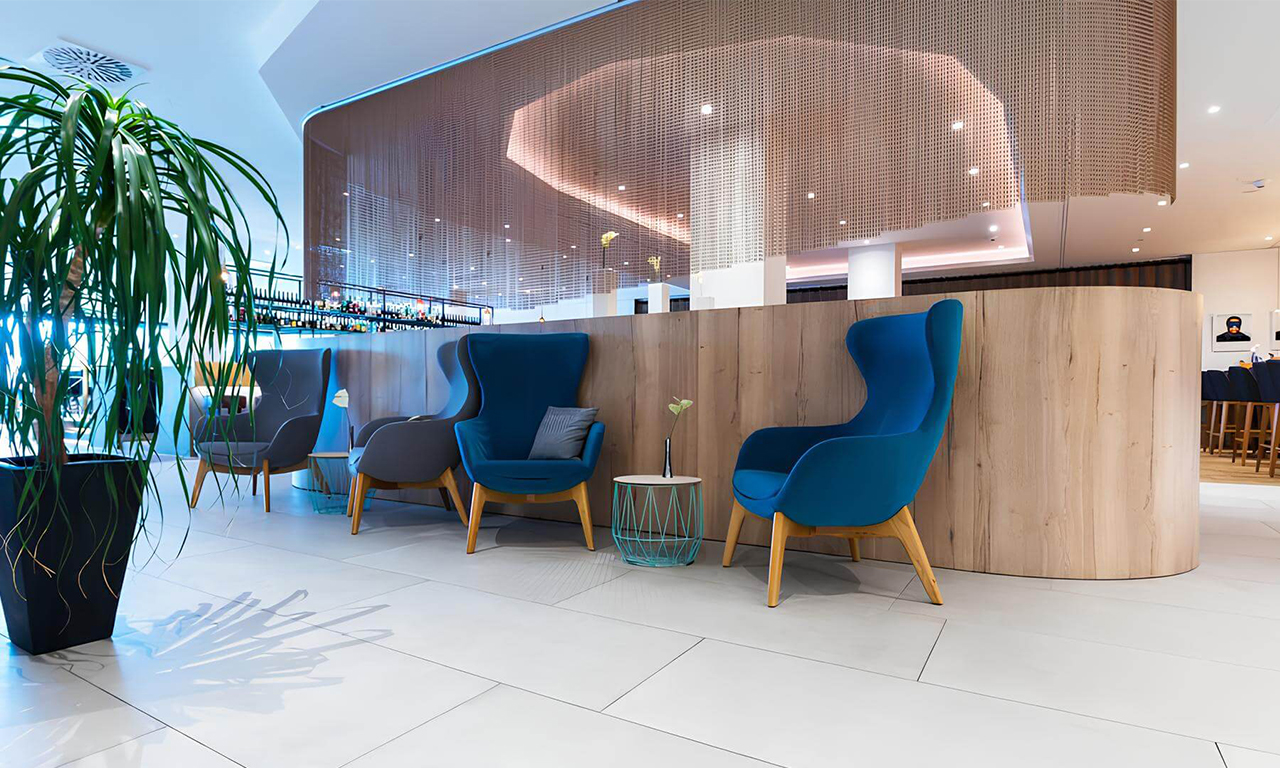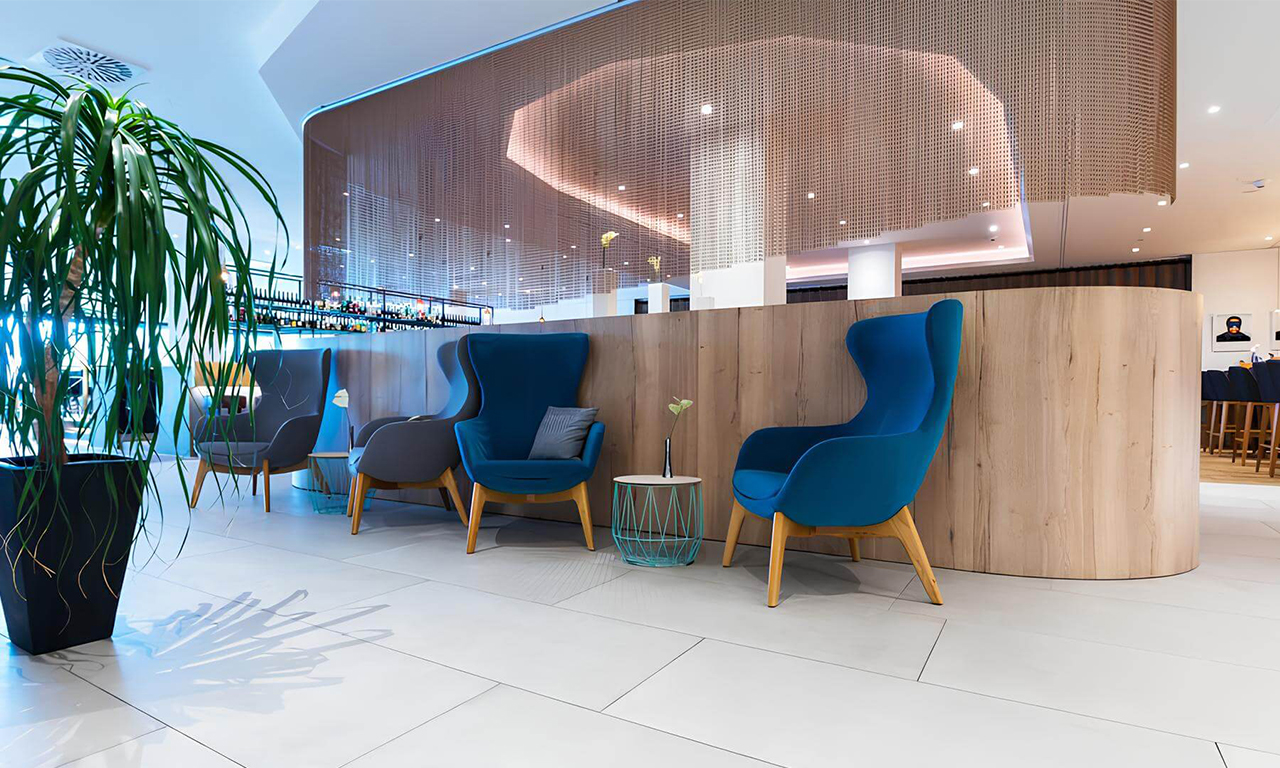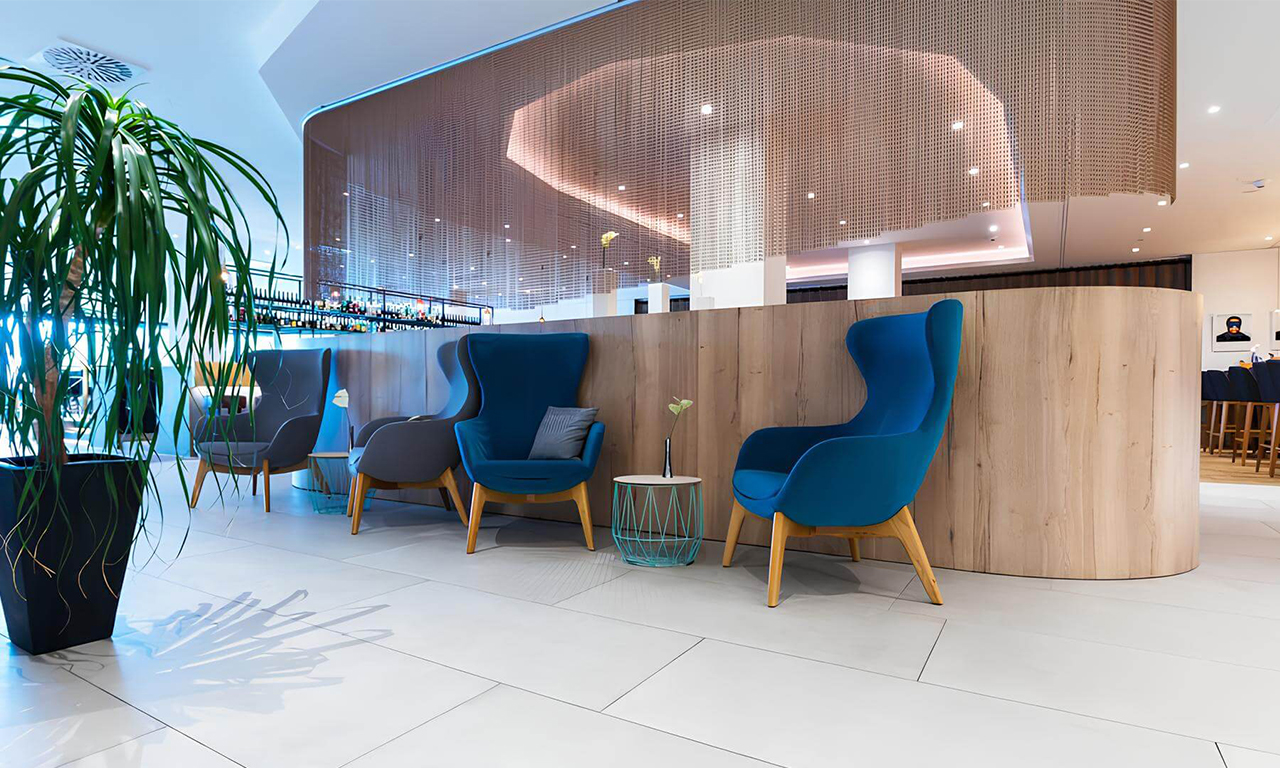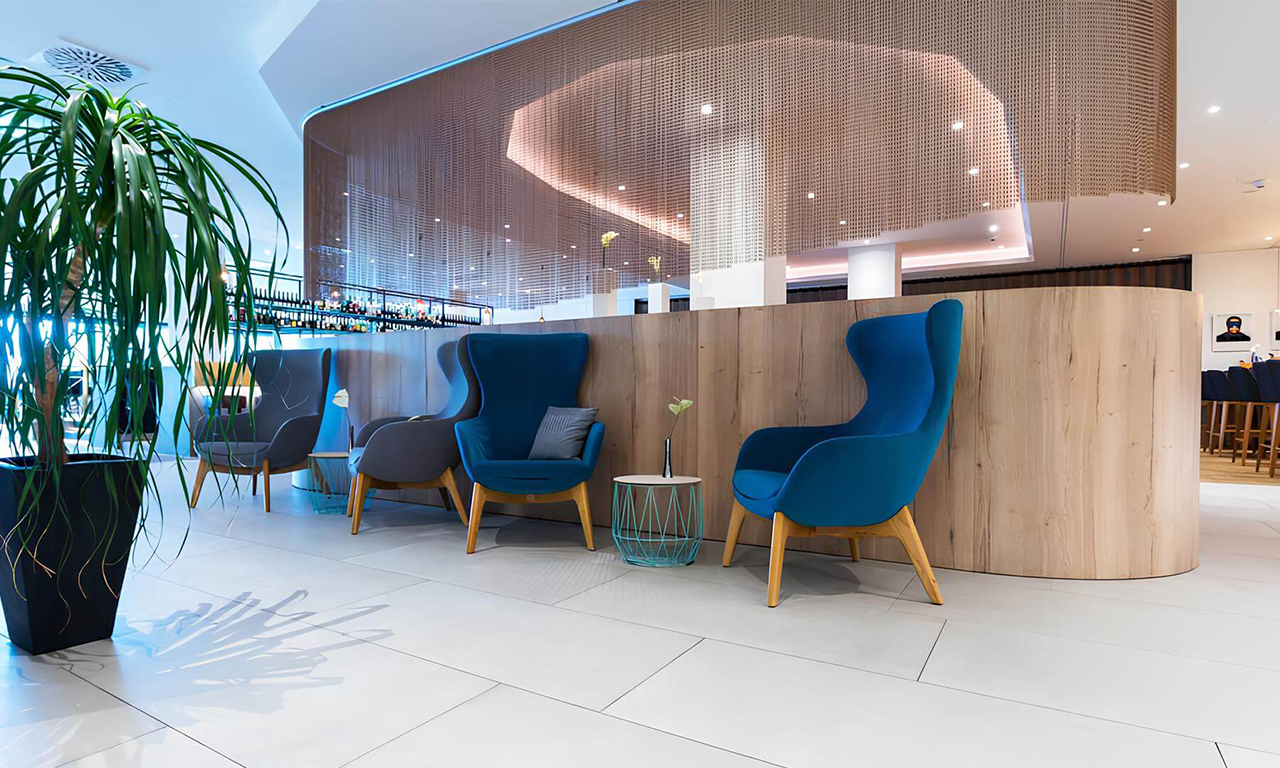
Furniture in an airport lounge may look like a design choice, but in practice, it is also a financial decision. A chair or sofa used for 18 to 20 hours a day by thousands of passengers is exposed to a level of wear that is very different from furniture in a hotel lobby or restaurant. The real cost goes beyond the initial purchase price, frequent repairs, reupholstering and the time a piece remains out of service when something breaks can all add significantly to long-term expenses, and every unavailable seat means less space for passengers. There is also the question of first impressions. Furniture is often the first thing a passenger interacts with in a lounge, even before they have had a chance to enjoy the food or find a power outlet. A piece that looks premium but wobbles, feels unstable or loses its shape under pressure can immediately undermine the impression of quality, no matter how polished the rest of the lounge may be.
Furniture Built Around Passenger Flow

A lounge is not one uniform space. A passenger with an hour before boarding has different needs from someone facing a five-hour layover, the latter needs more comfort, enough room to settle in and a place where they can properly rest. That calls for a thoughtful mix of seating, individual chairs with power outlets for passengers who need to work, deeper sofas for those looking to relax, and dedicated luggage space so travelers are not left holding a suitcase on their lap for hours.
Getting this balance wrong affects more than comfort. It can lead to complaints, influence how long passengers remain in the lounge and change the way the space feels during peak hours compared with quieter periods. Acoustics also matter more than many operators realize, boarding announcements, rolling luggage and overlapping conversations compete for attention constantly. High-backed sofas, upholstered dividers and sound-absorbing textiles can reduce echoes and make a busy room feel noticeably calmer.
Strength, Safety and Compliance
Certain requirements simply are not negotiable, no matter the budget. Fire resistance sits at the top of that list, materials have to meet the standards set for high-traffic public spaces, which go well beyond what is typically expected of hotel or restaurant furniture. Accessibility deserves the same level of care, when it is considered from the very first sketch rather than added in after the fact, the result feels intentional rather than improvised, and it usually costs less to get right the first time.
Durability tells its own story. A well-made lounge chair should carry the weight of tens, even hundreds of thousands of sit-down moments without ever feeling like it is giving up, a resilience that comes down to details most people never see, properly treated metal or wood frames, high-density foam that keeps its shape season after season, and fabrics engineered to withstand real wear rather than simply look good on day one.
Ease of Care and Modular Flexibility
Ease of care is part of the same equation, even if it is rarely given equal billing. Surfaces that wipe clean in seconds, covers that can be removed and refreshed, and fabrics that resist staining rather than absorbing it are not small conveniences, they give staff back valuable time, and in a lounge that rarely sits empty, that time adds up to something that matters.
Modularity, too, deserves a closer look, particularly in waiting areas. Furniture that can shift, combine and reconfigure gives a space the flexibility to breathe with the rhythm of the day, whether that means accommodating a calmer period between flights or a sudden surge of delayed passengers who all need somewhere to sit at once.
Planning a Lounge Renovation or Expansion?
Let's talk through furniture built for the true demands of high-traffic spaces.
Furniture as a Way to Define Zones
Furniture can quietly define different areas of a lounge without the need for walls or physical dividers. High-backed sofas can create more secluded corners for passengers looking to escape the noise, while communal tables provide a practical setting for travelers meeting colleagues or getting some work done before a flight. Lower, more relaxed seating creates a softer, more informal atmosphere that naturally appeals to families, and near food and beverage counters, bar-height seating makes efficient use of limited space while keeping surrounding walkways open.
Used thoughtfully, furniture does more than provide a place to sit. It helps shape how the entire lounge works, giving each area a clear purpose while keeping the space open, connected and easy to navigate.

The Changing Role of Lounge Furniture
A few trends have emerged that seem to be here to stay, each reshaping what buyers expect as standard. Sustainable materials, from recycled content to lower-impact manufacturing, are steadily gaining ground as airports commit to clear carbon reduction targets and choose suppliers who can demonstrate real progress through measurable results. Antimicrobial surfaces have quietly shifted from a premium extra to a baseline expectation, and modular furniture has evolved beyond simple practicality to become an important part of modern lounge design, allowing operators to reconfigure the space and refresh its overall look without replacing the entire furniture collection.
Selecting the Right Partner for Your Lounge Furniture
The supplier behind the furniture matters just as much as the furniture itself. The difference between a piece that remains in service for years and one that needs replacing within months often comes down to how it was made, the materials used and the standards behind its production. A lower price today can quickly turn into a much higher cost if the furniture does not perform as expected, a more useful way to assess the investment is to consider the cost per year of service rather than the cost of each individual piece.
Its long-term performance matters just as much as its appearance on delivery day. Frame stability, upholstery that continues to wear well and foam that retains its shape are among the clearest indicators of how well a piece is suited to demanding daily use, which is why choosing lounge furniture means looking beyond how a piece looks when it arrives and considering how it will perform years later, after countless passengers have used it.

Your Airport Lounge Furniture Checklist
- Mixed seating types for short-stay and long-layover passengers, including dedicated luggage space
- Considered acoustics, with high-backed sofas or upholstered dividers where noise is a concern
- Confirmed fire resistance and accessibility standards for high-traffic public spaces
- Verified frame, foam and fabric durability for tens of thousands of sit-down cycles
- Chose easy-to-clean surfaces and removable, refreshable covers
- Considered modular pieces that can reconfigure with passenger flow
- Used furniture to define zones without relying on walls or dividers
- Assessed suppliers by cost per year of service, not just the upfront price
Used thoughtfully, furniture does more than provide a place to sit, it helps shape how the entire lounge works, giving each area a clear purpose while keeping the space open, connected and easy to navigate. Quality becomes most apparent over time, which is why choosing lounge furniture means considering how it will perform years later, not only how it looks on delivery day. If you are planning a lounge renovation or expansion, our team would be glad to help you choose furniture built for the true demands of high-traffic spaces, from the first material decision through to full implementation.
If you found this useful, you may also enjoy our article on Banquet Hall Furniture: Specifications for Large-Scale Events.
OUR SERVICES
MORE FROM OUR BLOG
About P&M Furniture
P&M Furniture designs and delivers commercial-grade furniture for hotels, restaurants, cafes and bars across Europe, combining durability with design that supports how each venue actually works.
Planning a Lounge Renovation or Expansion?
Let's talk through furniture built for the true demands of high-traffic spaces.
Request a Quote