Boutique hotels genuinely live and die on distinctiveness, but that does not automatically mean every single piece of furniture needs to be custom-made. Knowing where customization genuinely earns its cost, and where quality standard furniture serves the concept just as well, protects both budget and timeline without ever diluting what genuinely makes the property feel special. The properties that get this right tend to treat customization as a deliberate, targeted investment rather than a default setting applied to every single piece simply because the word "boutique" happens to be on the sign out front.

Where Customization Genuinely Serves a Boutique Concept
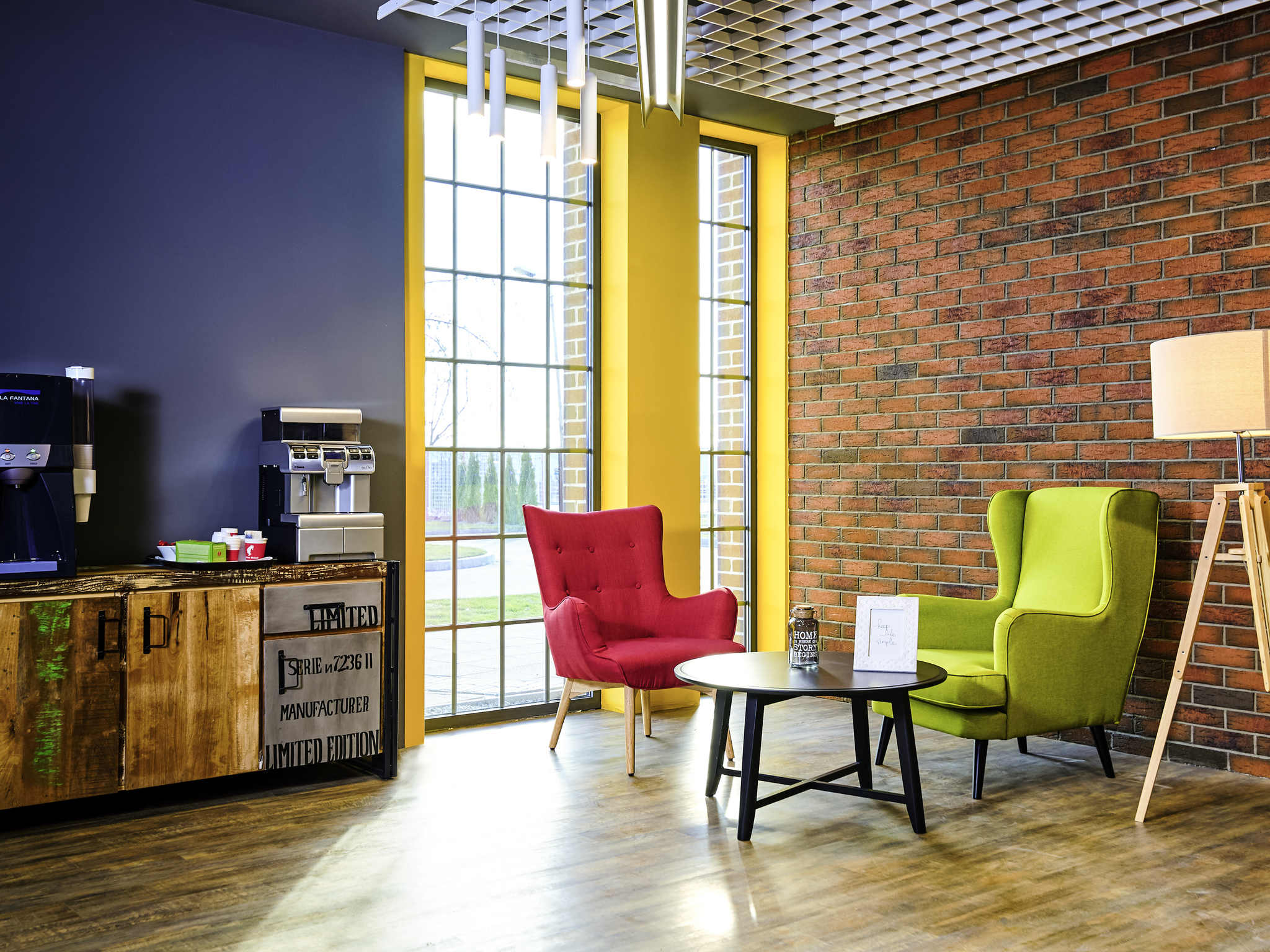
Signature pieces in high-visibility spaces, a distinctive lobby seating arrangement, a bespoke reception desk, often justify custom investment since they directly shape a guest's first impression of the brand. These are the pieces guests photograph, remember, and mention to friends long after checkout, which makes the extra cost and lead time a genuine investment in the property's identity rather than simply an expense to be minimized.
A useful test is asking whether a piece is doing real narrative work for the brand, telling guests something specific about the property's character, or whether it is simply providing a place to sit. The former justifies custom investment considerably more readily than the latter, and the distinction is usually obvious once someone actually asks the question directly.
Where Standard Furniture Works Just as Well
Guest room furniture, back-of-house pieces and less visible areas often perform just as effectively with quality standard furniture, freeing budget for the signature pieces that genuinely need customization. A guest rarely notices or genuinely cares whether their bedside table was custom-designed for that specific property, as long as it looks good, functions well, and fits the room's overall aesthetic seamlessly.
This is where a surprising amount of boutique hotel budget quietly gets wasted: customizing furniture that guests will never consciously evaluate or even notice, while underinvesting in the handful of genuinely visible pieces that actually shape brand perception the most.

Balancing Timeline Against Full Customization
Bespoke manufacturing takes considerably longer than sourcing standard furniture, a timeline factor that needs weighing seriously against opening dates that rarely have flexibility to slip. A boutique property racing toward a fixed opening date can find itself in a genuinely difficult position if a fully custom furniture order runs even a few weeks behind schedule, since there is often no realistic fallback option once construction and marketing timelines are already firmly locked in.
Building in a realistic buffer for custom lead times, and having a documented fallback plan for at least the highest-risk pieces, prevents a single delayed shipment from threatening an entire opening date and everything riding on it.
Planning Furniture for a Boutique Property?
Let's find where custom investment genuinely pays off.
Building a Distinctive Look Without a Fully Custom Budget
Selective customization, unique upholstery on a standard frame, custom finishes on an existing design, can deliver much of the distinctive feel of full bespoke work at a fraction of the cost and lead time. A well-chosen standard frame with genuinely unique fabric and a custom color finish can read as distinctly "this property's own" to a guest, even though the underlying structure is quietly shared with other properties entirely unrelated to this one.
This middle path, sometimes called semi-custom furniture, is where many boutique properties genuinely find their actual sweet spot between distinctiveness and budget reality, once they stop assuming it has to be all one way or the other.

Working With Suppliers Who Offer Both Standard and Custom Options
A supplier who genuinely offers both standard and bespoke manufacturing, rather than treating custom work as an occasional favor, tends to understand this tradeoff better and can guide a boutique property toward the right mix for each specific space. Suppliers who only do standard furniture will naturally push toward off-the-shelf solutions everywhere, while suppliers who only do bespoke work have an obvious financial incentive to recommend customizing considerably more than genuinely necessary.
A supplier comfortable moving fluidly between both approaches, and genuinely honest about which category a specific piece belongs in, is a considerably more reliable partner for navigating this decision property by property, without a hidden agenda pulling toward one option.
Planning for Furniture Replacement Without Losing Distinctiveness
A boutique hotel eventually needs to replace worn furniture, and if the original signature pieces were fully bespoke with no documentation of the exact specification, matching or updating them later becomes considerably more difficult and expensive. Keeping detailed records of custom specifications from the outset protects the property's distinctive look for future refresh cycles.
This documentation should cover not just dimensions and materials, but the specific supplier, fabric batch details, and any custom finishing process used, since even small deviations from the original specification can be genuinely noticeable when a single replacement piece sits next to years-old originals in a highly visible space guests pass through daily.
Handling Furniture Photography for Marketing
Signature bespoke pieces often end up featured heavily in a boutique property's own marketing photography, which means these pieces deserve extra attention to finish quality and photogenic detail beyond what pure guest comfort alone would require. A piece that looks perfectly fine to a seated guest but shows visible seams or inconsistent stitching under professional photo lighting can undermine a marketing campaign that the property invested considerably in producing, making finish quality worth discussing explicitly with a supplier before committing to a signature piece that will end up front and center in every promotional photo the property publishes.

Your Boutique Hotel Furniture Decision Checklist
- Identified which high-visibility spaces genuinely justify custom investment
- Considered quality standard furniture for guest rooms and back-of-house areas
- Weighed bespoke lead times honestly against the opening timeline
- Explored selective customization as a middle path between full custom and standard
- Chosen suppliers who offer genuine expertise in both standard and bespoke work
- Documented custom specifications for future replacement and consistency
A boutique hotel's distinctiveness comes from thoughtful choices, not from customizing everything by default. If you are planning furniture for a boutique property, we can help you find where custom investment genuinely pays off.
If you found this useful, you may also enjoy our article on Hotel Chain Furniture Standardization: Consistency Without Losing Character.
OUR SERVICES
About P&M Furniture
P&M Furniture designs and delivers commercial-grade furniture for hotels, restaurants, cafes and bars across Europe, combining durability with design that supports how each venue actually works.
Planning Furniture for a Boutique Property?
Let's find where custom investment genuinely pays off.
Request a Quote