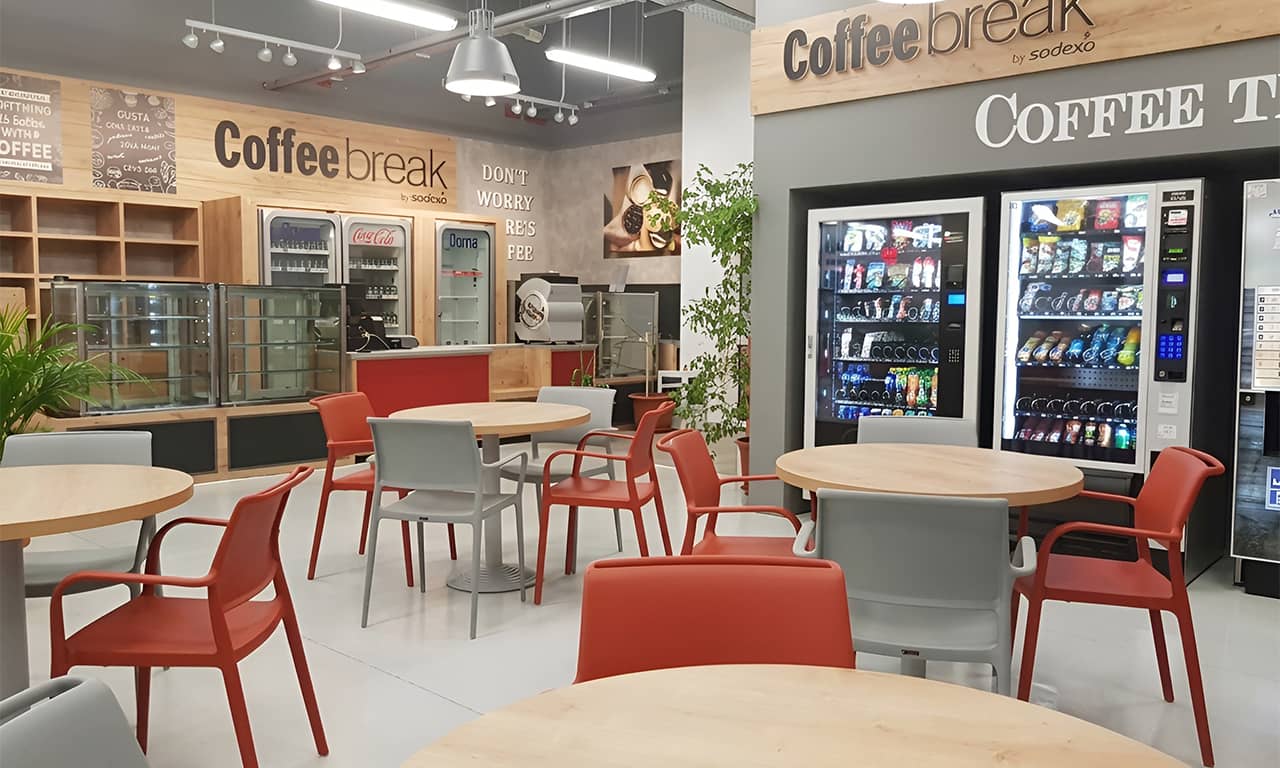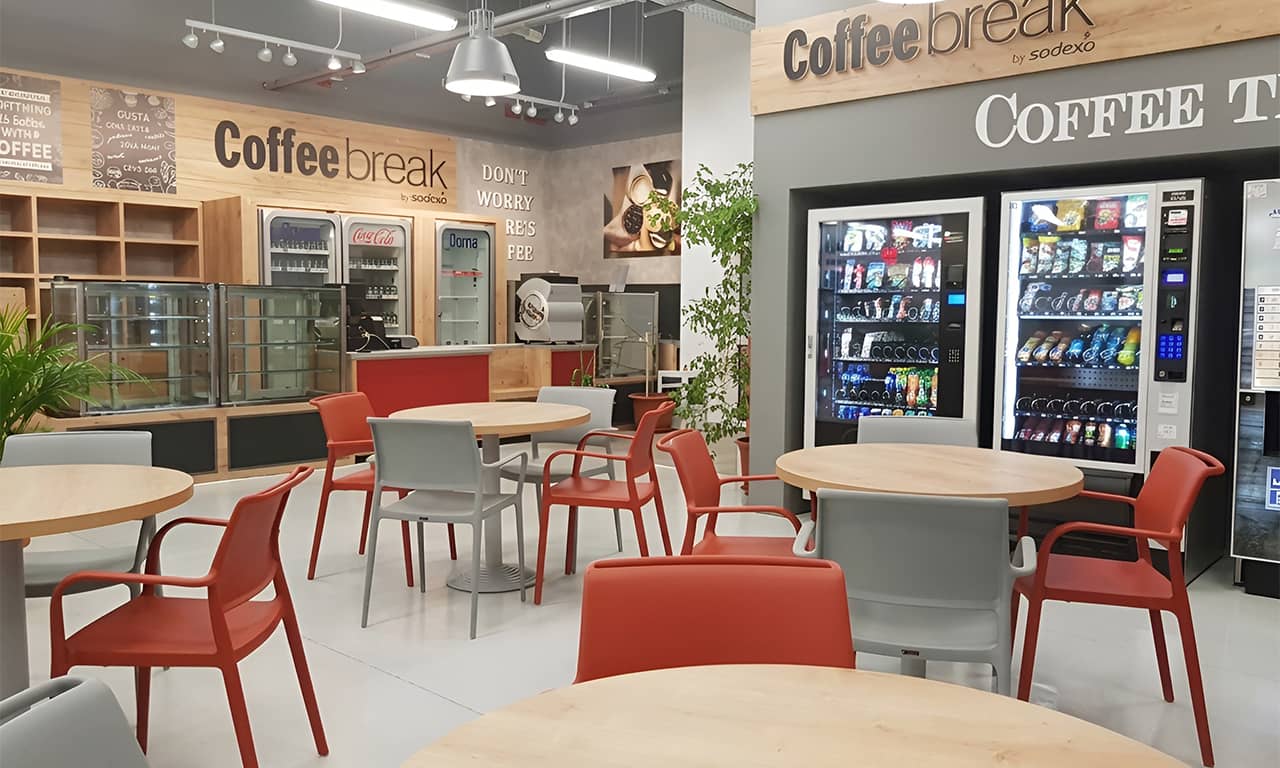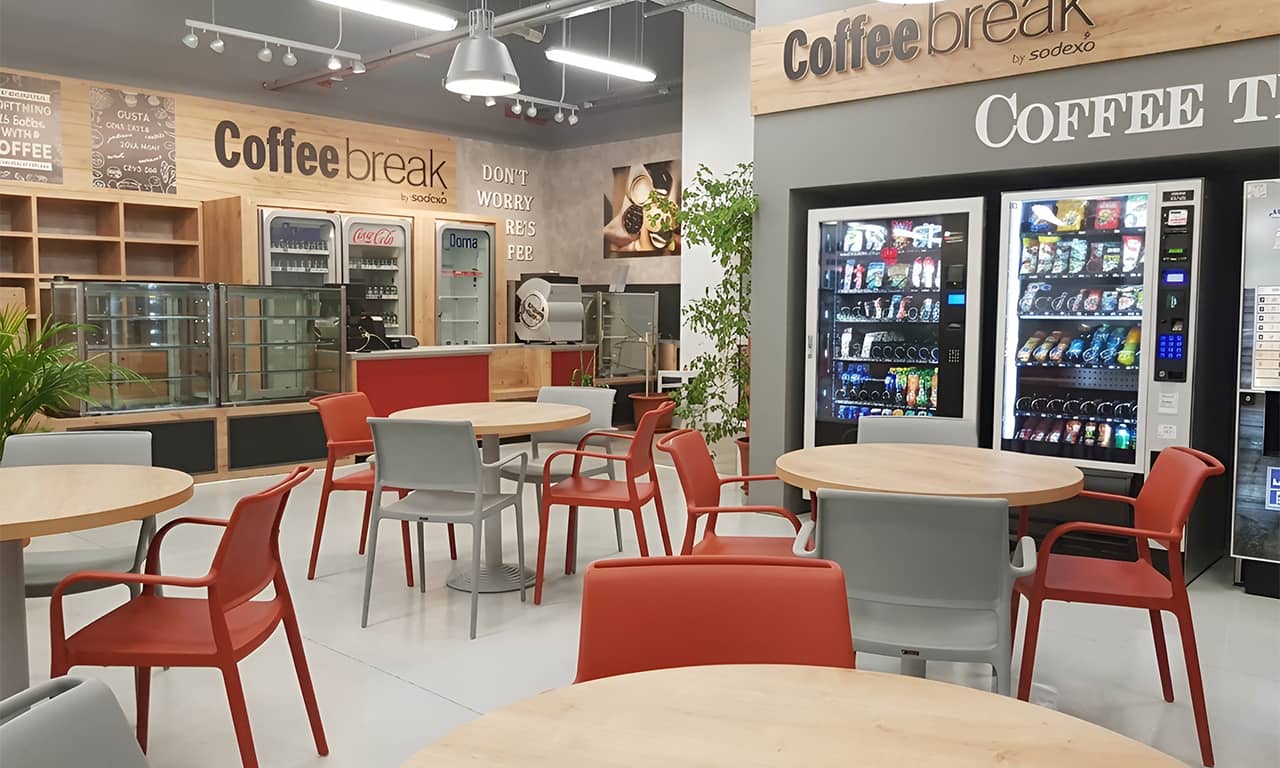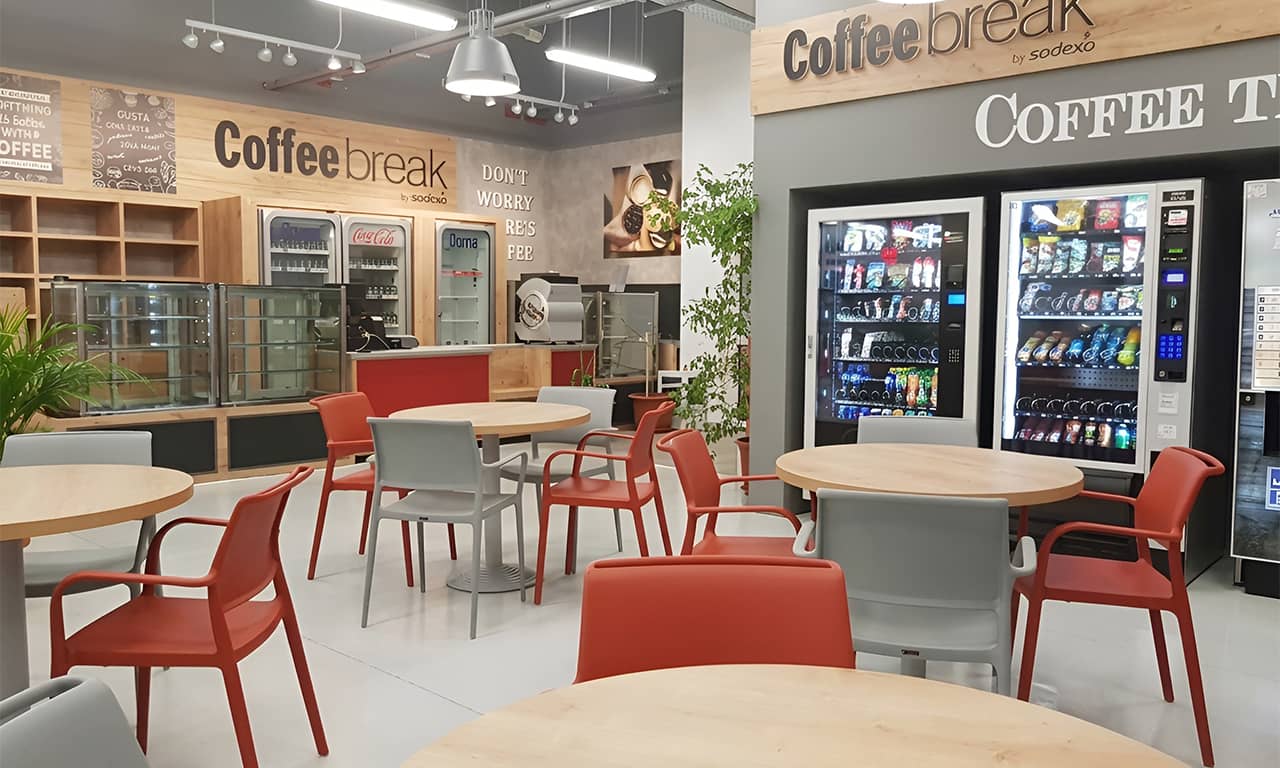
Food halls and ghost kitchens operate on different assumptions than a traditional restaurant, higher turnover, mixed-use seating shared across multiple vendors, and often minimal staff to manage furniture upkeep. Furniture decisions need to reflect these genuinely different operational realities rather than simply borrowing specifications from a standard sit-down restaurant model. The operators who get this right tend to think about furniture as shared infrastructure serving multiple businesses at once, rather than as a single brand's design statement.

Furniture for Shared, Multi-Vendor Seating Areas
Food hall seating typically serves guests ordering from several different vendors at once, which means it genuinely needs to feel neutral rather than tied to any single brand's identity, so no vendor feels visually favored over another. Furniture that leans too heavily toward one aesthetic, styled to match a specific vendor's branding, can create an unintentional sense of hierarchy among tenants who are all paying the same rent for the same shared space.
A genuinely neutral material and color palette, one that works as a backdrop for many different food concepts rather than complementing just one, tends to age better and require far less redesign as tenants naturally rotate in and out over the property's lease cycle.
Designing for Higher Turnover Than a Traditional Restaurant
Food halls often see faster table turnover than sit-down restaurants, particularly during peak lunch periods when a table might change occupants three or four times within a single hour. Furniture that is easy to clean quickly supports this faster pace without requiring extra staff time between guests, since every additional minute spent wiping down a table is a minute that table sits empty during peak revenue hours.
Smooth, non-porous surfaces that wipe clean in seconds, rather than textured materials that trap crumbs and require more thorough cleaning, genuinely matter more here than in a venue where tables turn over just once or twice per service.

Ghost Kitchens and Minimal Front-of-House Furniture Needs
Ghost kitchens built purely for delivery and pickup need little to no dining furniture, but often require practical pickup counters, order staging areas and simple waiting furniture for delivery drivers, needs genuinely easy to overlook when planning around a traditional dining model. A ghost kitchen operator who defaults to a standard restaurant furniture checklist ends up buying dining chairs and tables that will simply sit unused, while underinvesting in the practical staging furniture that actually supports daily operations.
Mapping the genuine physical workflow, where orders get placed, staged, and handed off, before specifying any furniture at all reveals what a ghost kitchen actually needs considerably more accurately than a generic hospitality furniture list ever could.
Furnishing a Food Hall or Ghost Kitchen?
Let's choose pieces built for how these venues actually operate.
Durability for Spaces With Minimal Staff Oversight
Food halls and ghost kitchens often operate with less staff per square meter than a full-service restaurant, meaning furniture gets less proactive maintenance attention and needs to be genuinely low-maintenance from day one of operation. A minor issue that a full-service restaurant's attentive staff might catch and address immediately can go unnoticed for weeks in a space with genuinely lighter staffing levels.
Specifying furniture built to handle this reduced oversight, rather than furniture that assumes the same level of attentive care a traditional restaurant provides, prevents small maintenance issues from quietly accumulating into significant, visible problems.
Coordinating Furniture Across Independent Vendor Stalls
In a food hall with multiple independent vendors, coordinating furniture standards across stalls, seat height, table finish, spacing, prevents the space from feeling visually fragmented even though each vendor operates its own kitchen and brand identity entirely independently. A shared furniture guideline given to each new vendor at signing keeps this consistency intact as tenants naturally change over time throughout the lease cycle.
Without this kind of documented standard, individual vendors tend to bring in their own furniture choices over time, and a food hall that started with a cohesive look can gradually fragment into a visually inconsistent patchwork within just a couple of years.

Planning for High-Volume Cleaning Without Furniture Damage
The volume of daily cleaning in a food hall, often multiple deep cleans per day given the food handling involved, can degrade furniture finishes considerably faster than in a typical restaurant. Specifying materials genuinely rated for frequent commercial cleaning with strong chemicals, not just general wipe-down durability, protects the furniture investment over the full length of a multi-year lease.
A finish that looks identical to a more durable alternative on delivery day can show noticeably different wear within months once the actual cleaning frequency a food hall genuinely requires is factored in.
Adapting Furniture as Vendor Mix Changes Over Time
A food hall's vendor mix rarely stays static over a multi-year lease, and furniture planned around the opening lineup should genuinely accommodate the kind of vendor turnover that is simply normal for this business model. Modular seating and easily reconfigurable layouts absorb this change far better than fixed installations built around one specific opening-day vendor arrangement that will not last the full lease term unchanged.
Building this flexibility into the original furniture specification costs relatively little upfront compared to the expense of reconfiguring a rigid layout every time a vendor changes, a cost that compounds meaningfully across a typical food hall's lease cycle when several vendor transitions are more or less guaranteed to happen over the course of a multi-year tenancy period.

Your Food Hall and Ghost Kitchen Furniture Checklist
- Selected neutral, brand-agnostic furniture for shared multi-vendor seating
- Designed seating comfort level appropriate for faster table turnover
- Planned practical pickup and staging furniture for ghost kitchen operations
- Prioritized low-maintenance, high-durability pieces given minimal staff oversight
- Set shared furniture standards for consistency across independent vendor stalls
- Verified furniture withstands frequent high-volume commercial cleaning
Food halls and ghost kitchens succeed on operational efficiency, and furniture is part of that equation, not separate from it. If you are furnishing one of these venue types, we can help you choose pieces built for how they actually operate.
If you found this useful, you may also enjoy our article on Nightclub and Lounge Furniture: Balancing Atmosphere and Durability.
OUR SERVICES
MORE FROM OUR BLOG
About P&M Furniture
P&M Furniture designs and delivers commercial-grade furniture for hotels, restaurants, cafes and bars across Europe, combining durability with design that supports how each venue actually works.
Furnishing a Food Hall or Ghost Kitchen?
Let's choose pieces built for how these venues actually operate.
Request a Quote