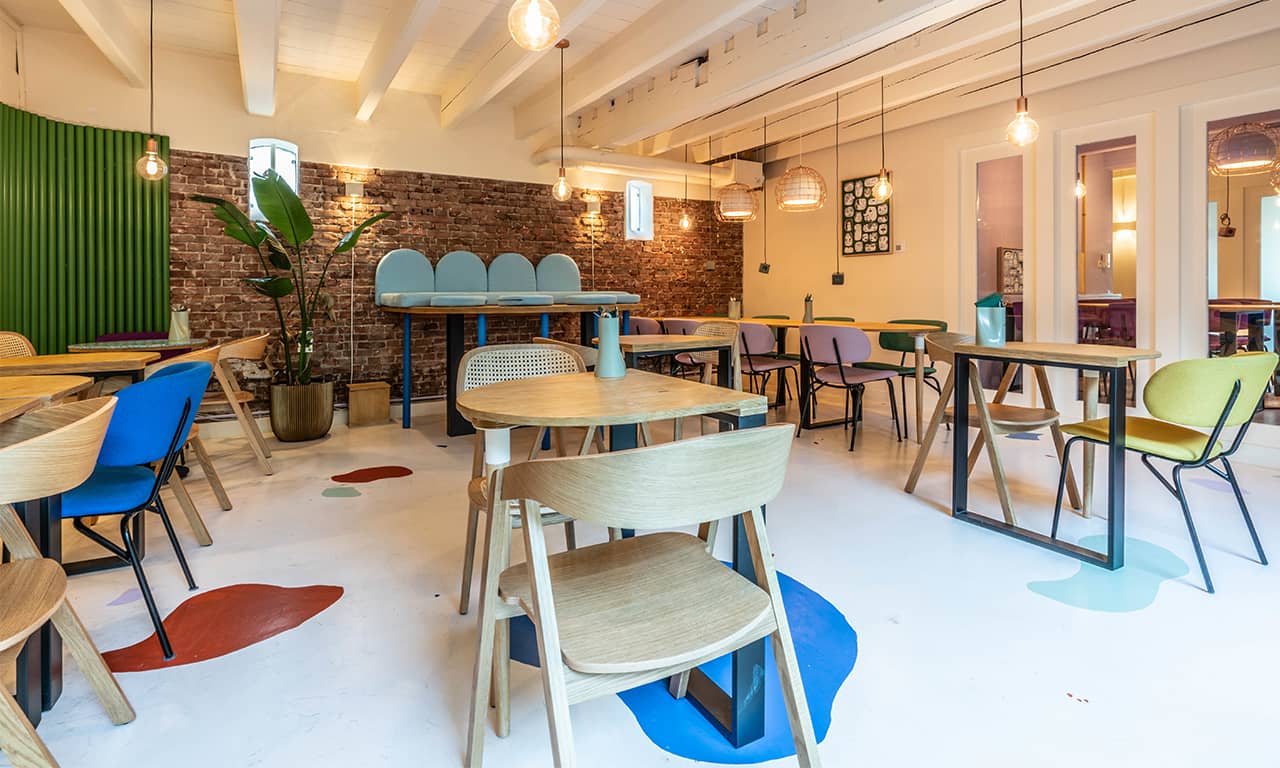
A structured refurbishment program treats furniture upkeep as an ongoing strategy rather than a one-off fix when something looks worn. For properties with significant furniture assets across many rooms, this shift in approach often extends usable life by years, turning what would otherwise be a recurring replacement expense into a considerably more manageable, predictable maintenance cost. The properties that see real value from refurbishment tend to plan it deliberately, rather than reacting piece by piece as individual items start to look tired.

What Separates a Program From Ad Hoc Refurbishment
A genuine refurbishment program follows a set schedule and scope, refinishing wood, retightening joints, cleaning or replacing hardware, rather than waiting for individual pieces to visibly need attention. Reactive, one-piece-at-a-time refurbishment tends to happen only after a guest or staff member actually notices a problem, by which point the furniture has already been looking visibly worn for weeks or even months.
A scheduled program, by contrast, catches wear well before it becomes visible to guests, and spreads the labor and cost of refurbishment across the entire year rather than creating sudden spikes in workload whenever enough pieces have finally degraded enough to justify attention.
Assessing Which Furniture Categories Benefit Most
Solid wood furniture, quality upholstered frames and metal pieces with durable finishes typically respond well to refurbishment, while lower-cost furniture often does not justify the investment required to restore it properly. A well-built wooden chair with a genuinely solid frame can be refinished multiple times over its working life, each cycle bringing it back close to its original condition for a fraction of the cost of full replacement.
A piece built from lower-grade particleboard, or with a frame that was never actually designed for disassembly and rework, on the other hand, often costs nearly as much to refurbish properly as it would to simply replace outright, at which point refurbishment stops making financial sense entirely.

Building a Refurbishment Schedule Around Property Cycles
Aligning refurbishment cycles with natural downtime, seasonal closures or planned property refreshes minimizes disruption to daily operations and guest experience. A restaurant that closes for two weeks each January for a deep clean, for instance, has a genuinely natural window to send a batch of chairs out for refinishing without ever having to pull seating out of service during a busy, high-revenue service period.
Properties without an obvious seasonal lull can still build a rolling schedule, refurbishing a defined percentage of furniture each quarter, so the ongoing workload stays genuinely manageable and no single period ever requires an unusual amount of furniture to be unavailable at once.
Formalizing Refurbishment Across Properties?
Let's assess which pieces are strong candidates and build a schedule.
Measuring the Financial Case for Refurbishment Programs
Comparing the cost of a structured refurbishment cycle against the replacement cost of the same furniture usually reveals significant savings, particularly for well-made original pieces. Refinishing a solid wood table typically costs just a fraction of buying an equivalent new replacement table, and the savings compound considerably further when the exercise is repeated across dozens or even hundreds of pieces in a larger property.
Building this comparison into a simple, documented cost model, refurbishment cost per piece against replacement cost per piece, gives a property genuine, concrete data to justify the program to ownership or finance, rather than relying on a vague general sense that refurbishment "seems cheaper."

Choosing Refurbishment Partners With the Right Expertise
Not every upholsterer or finishing specialist has experience matching original commercial-grade materials and construction techniques, and a mismatched refurbishment can leave furniture looking visibly different from unrefurbished pieces nearby, undermining the room's overall coherence. A residential furniture restorer, however genuinely skilled at their craft, may simply not be familiar with the specific fire-retardant foam grades or heavy-duty fabric specifications that commercial hospitality furniture requires by regulation.
Asking a potential refurbishment partner directly for examples of previous commercial hospitality work, not just residential projects, reveals whether they genuinely understand the specific durability and regulatory compliance requirements this kind of furniture demands.
Tracking Refurbishment Outcomes Over Multiple Cycles
Recording which pieces were refurbished, when, and how they held up afterward builds an internal dataset that improves future scheduling decisions, revealing which furniture categories genuinely benefit from repeated refurbishment versus those better replaced after a single cycle. A simple spreadsheet tracking piece type, refurbishment date, cost, and condition at the next scheduled inspection reveals patterns that would otherwise stay completely invisible to whoever is planning the next cycle.
Over two or three refurbishment cycles, this record often reveals that certain furniture lines hold up beautifully to repeated refurbishment while others degrade noticeably each and every time, information that meaningfully sharpens future purchasing decisions as well as ongoing refurbishment planning.

Staff Training for In-House Minor Repairs
A refurbishment program works best alongside a small amount of in-house maintenance capability, training staff to handle minor tightening, cleaning and touch-up work themselves rather than routing every small issue through a full external refurbishment cycle. This division of labor keeps the external refurbishment schedule focused on work that genuinely requires professional expertise, while trivial fixes get resolved immediately rather than waiting for the next scheduled cycle.\n\nA short training session covering the handful of most common minor repairs, delivered once and reinforced periodically as staff turn over, pays for itself quickly by reducing the volume of low-value repair requests sent to an external refurbishment partner who typically charges a minimum callout fee regardless of how small the actual job turns out to be.

Your Furniture Refurbishment Program Checklist
- Established a proactive refurbishment schedule rather than reactive fixes
- Assessed which existing furniture categories justify refurbishment investment
- Aligned refurbishment timing with natural operational downtime
- Compared refurbishment cost against replacement cost over an equivalent period
- Selected refurbishment partners with proven experience matching original materials
- Tracked outcomes across refurbishment cycles to refine future decisions
A well-run refurbishment program pays for itself many times over across the lifespan of quality furniture. If you are considering formalizing refurbishment across your properties, we can help you assess which pieces are strong candidates and build a realistic schedule.
If you found this useful, you may also enjoy our article on Spare Parts and Replacement Policies: What to Ask Your Supplier.
OUR SERVICES
MORE FROM OUR BLOG
About P&M Furniture
P&M Furniture designs and delivers commercial-grade furniture for hotels, restaurants, cafes and bars across Europe, combining durability with design that supports how each venue actually works.
Formalizing Refurbishment Across Properties?
Let's assess which pieces are strong candidates and build a schedule.
Request a Quote