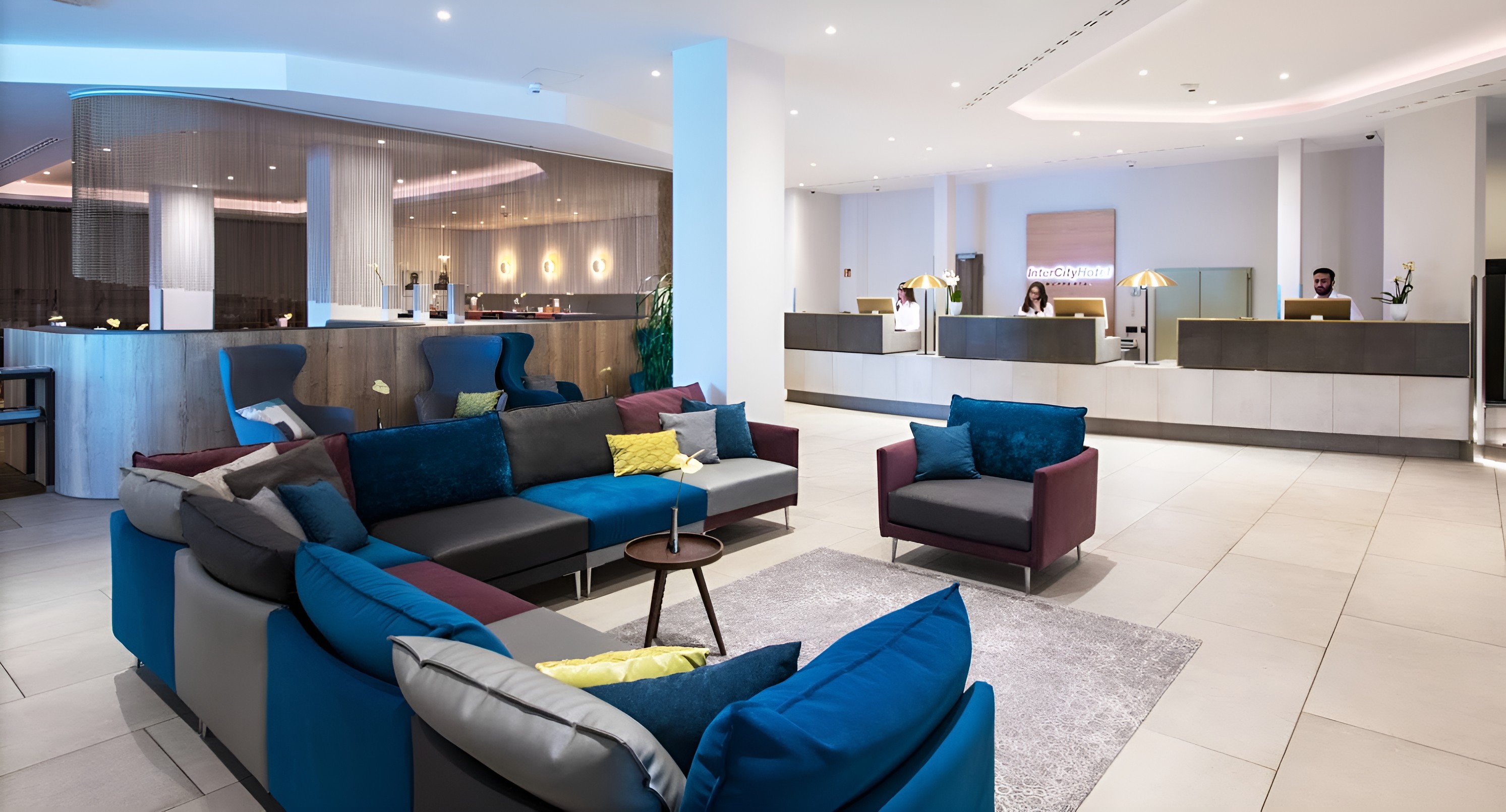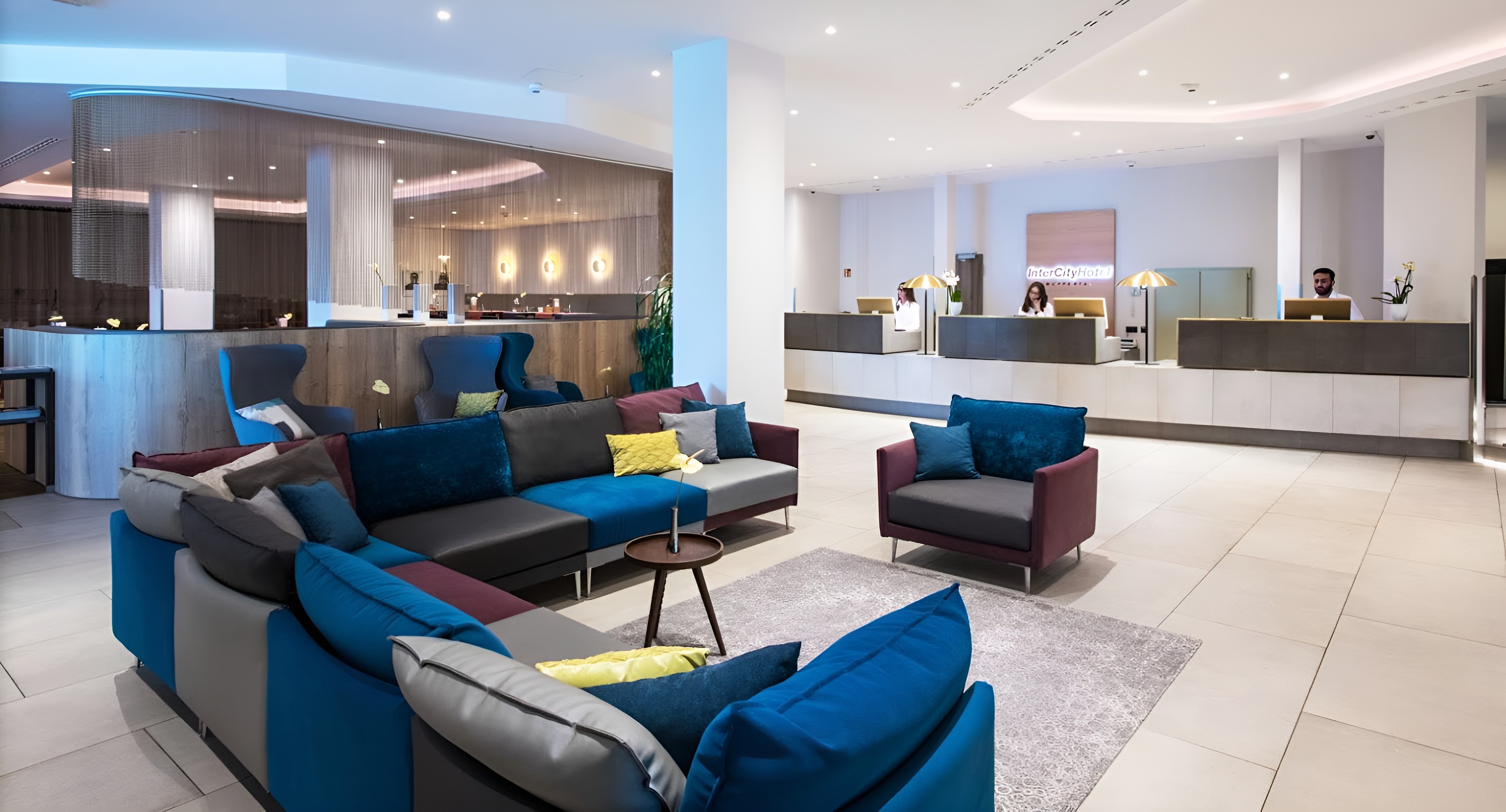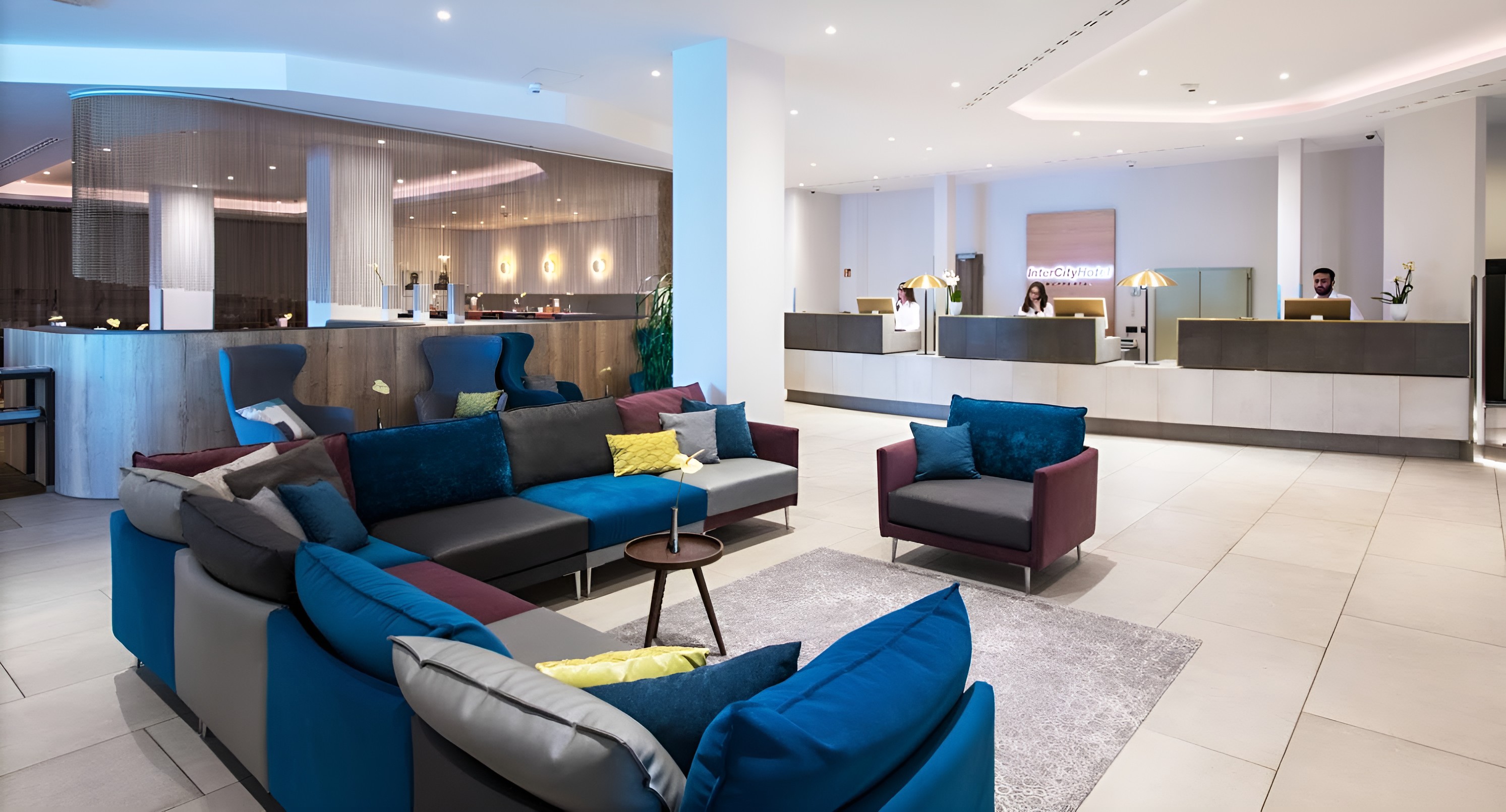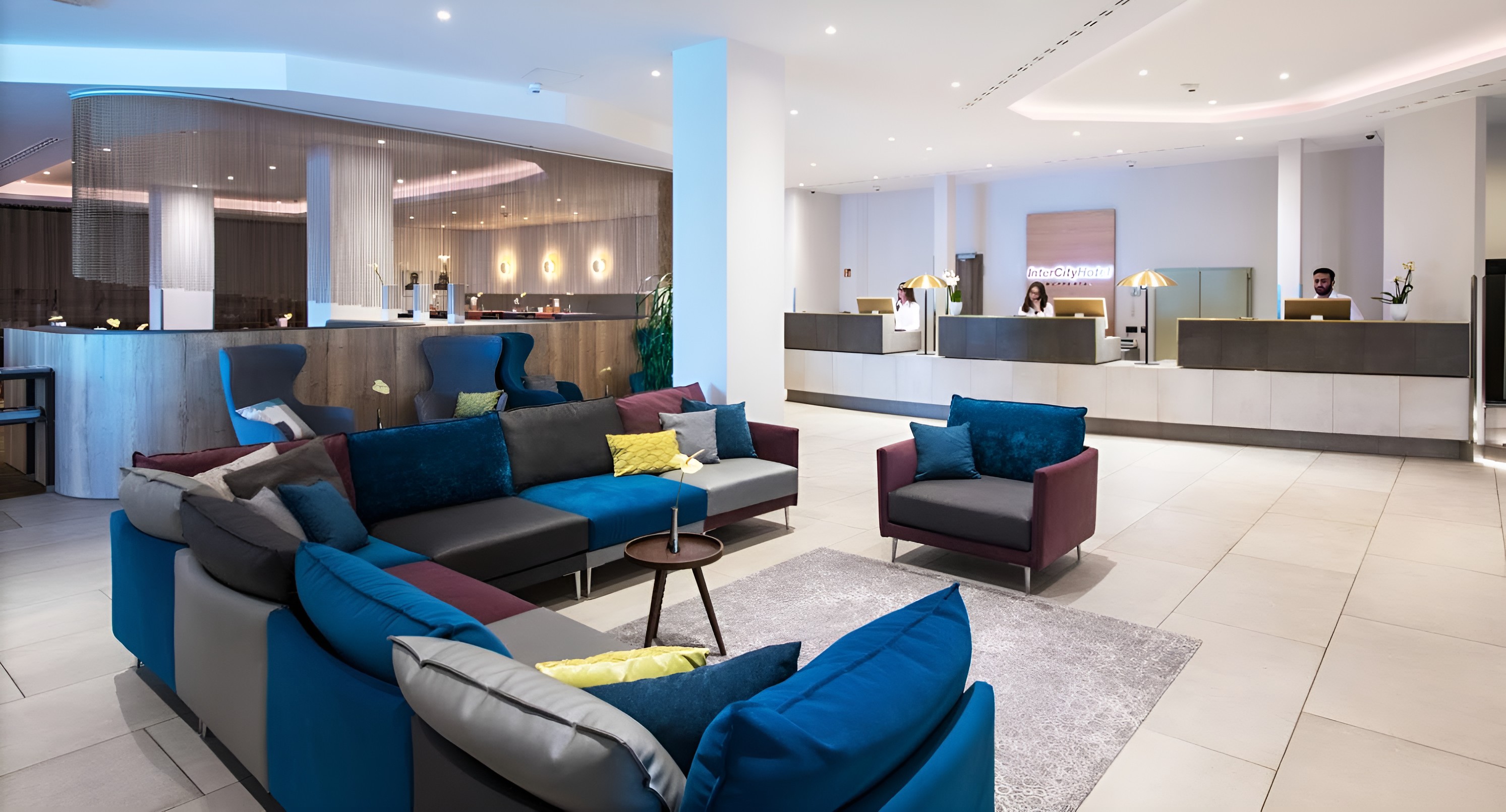
Standardizing furniture across a hotel chain saves cost and simplifies procurement, but rigid standardization risks making every property feel interchangeable rather than reflecting the local market it actually serves. Guests who travel regularly between a chain's properties in different cities often notice, consciously or not, when a hotel feels like a copy-paste job rather than a genuine reflection of the specific city or region they are actually visiting. The strongest chain furniture programs find a working balance between these two pressures, rather than treating the choice as an either-or decision made once and never revisited as the portfolio grows and matures over time.
What Should Genuinely Be Standardized Across Properties
Structural elements, bed frames, core seating, storage systems, typically benefit most from standardization, since guests rarely evaluate a hotel based on frame construction the way they notice visible finishes. Standardizing these back-end elements delivers most of the procurement savings a chain is genuinely after, without guests ever consciously registering that the bed frame in Lisbon is exactly the same as the one in Warsaw.
This is also where standardization makes the most operational sense: maintenance teams across the chain can stock the same replacement parts, staff transferring between properties already know how the furniture works and where things typically go wrong, and quality issues discovered at one property can be flagged and fixed across the entire portfolio at once rather than property by property.

Where Local Character Should Be Preserved
Fabric choices, accent pieces and finishes can vary by region or property while still working within a standardized structural core, preserving local character without sacrificing procurement efficiency. A hotel in a coastal city might lean into lighter, more natural textiles that echo the surrounding landscape, while a mountain property in the same chain uses warmer, richer tones on the exact same underlying furniture frame.
This layer is where guests actually notice and appreciate a property feeling genuinely distinct, and it's a relatively low-cost way to deliver that sense of place without touching the structural elements that drive most of the real procurement savings across the chain.
Building a Core Specification With Approved Variations
A documented core specification with a defined list of approved regional variations gives property managers flexibility within guardrails, rather than either rigid uniformity or unchecked local decisions. Without this kind of documented middle ground, chains tend to drift toward one extreme or the other over time: either every property looks identical regardless of local context, or local managers quietly go their own way and procurement savings quietly disappear one small decision at a time.
A well-built specification document typically separates "fixed" elements that cannot change from "flexible" elements with a pre-approved range of options, so a property manager never has to seek fresh approval each time for a routine, already-vetted choice they have made dozens of times before.
Building a Standardization Program?
Let's find the right balance for your portfolio.
Cost Benefits of Standardization Across a Portfolio
Volume purchasing across a standardized furniture program typically delivers meaningful savings compared to each property sourcing independently, savings that can fund the local variation budget without increasing overall spend. A chain with twenty properties negotiating as a single buyer for structural furniture components carries considerably more leverage with suppliers than twenty individual hotels each negotiating separately on their own, often for the exact same underlying products.
Those savings, redirected specifically toward the fabric and finish budget that preserves local character, effectively let the standardization program pay for its own flexibility, rather than treating consistency and distinctiveness as two competing costs that fight over the same limited budget.

Managing the Approval Process for Regional Variations
A clear, documented process for how a property manager requests and gets approval for a regional variation prevents both bottlenecks that frustrate local teams and unchecked deviations that undermine the standardization program's cost benefits. Without a defined process, variation requests either pile up waiting for someone senior to notice them, or get approved informally and inconsistently depending on who happens to answer the email that particular week.
A short, standard request form with a committed review turnaround time keeps this process predictable for property managers while still giving the central team genuine, meaningful oversight of what actually gets approved and why.
Reviewing and Updating the Standard Over Time
A furniture standard set once and never revisited eventually falls behind changing guest expectations and material availability, scheduling a periodic review, every few years rather than only when a crisis forces the conversation, keeps the standard genuinely current. A specification written five years ago may reference a fabric supplier that no longer exists, a material that has since fallen out of production, or a finish that guests now simply consider dated.
Building the review into a recurring calendar event, rather than waiting for a supplier disruption or a wave of guest complaints to force the issue, keeps the standardization program a genuinely living document instead of a one-time exercise that quietly goes stale in a drawer somewhere.
Onboarding New Properties Into the Standard
A new property joining the chain, whether newly built or recently acquired, needs a clear onboarding process for adopting the furniture standard, rather than being left to interpret the specification document on its own without support. A short onboarding session walking a new property manager through the fixed and flexible elements, and introducing them to the approved supplier relationships already in place, gets a new location aligned considerably faster than expecting them to absorb a written document alone.\n\nThis onboarding process also creates a natural moment to explain the reasoning behind the standard, not just its content, which tends to produce considerably better long-term compliance than simply handing over a specification sheet with no context for why it exists in its current form.

Your Hotel Chain Standardization Checklist
- Identified which elements genuinely benefit from chain-wide standardization
- Defined where local character and regional variation should be preserved
- Built a core specification with a documented list of approved variations
- Calculated volume purchasing savings across the standardized program
- Established a clear approval process for property-level variation requests
- Scheduled periodic reviews to keep the standard current
The strongest hotel chain furniture programs balance procurement efficiency with genuine local character. If you are building or refining a standardization program, we can help you find the right balance for your portfolio.
If you found this useful, you may also enjoy our article on Boutique Hotel Furniture: Custom vs Standard, Weighing the Decision.
OUR SERVICES
MORE FROM OUR BLOG
About P&M Furniture
P&M Furniture designs and delivers commercial-grade furniture for hotels, restaurants, cafes and bars across Europe, combining durability with design that supports how each venue actually works.
Building a Standardization Program?
Let's find the right balance for your portfolio.
Request a Quote