Furniture layout decisions rarely get the attention they deserve, yet they quietly shape how much revenue a space can generate and how much staff time gets spent managing it. Choosing between modular and standard furniture is not just an aesthetic call, because it affects how many covers a room can turn, how quickly a space can pivot between uses, and how much ongoing effort a layout demands from staff. The right choice depends on how a venue actually operates day to day, not on which option looks more modern on a showroom floor, that is the lens this article uses throughout, flexibility needs, venue type, frequency of change, staff overhead and budget.
When Standard Furniture Is the Right Call

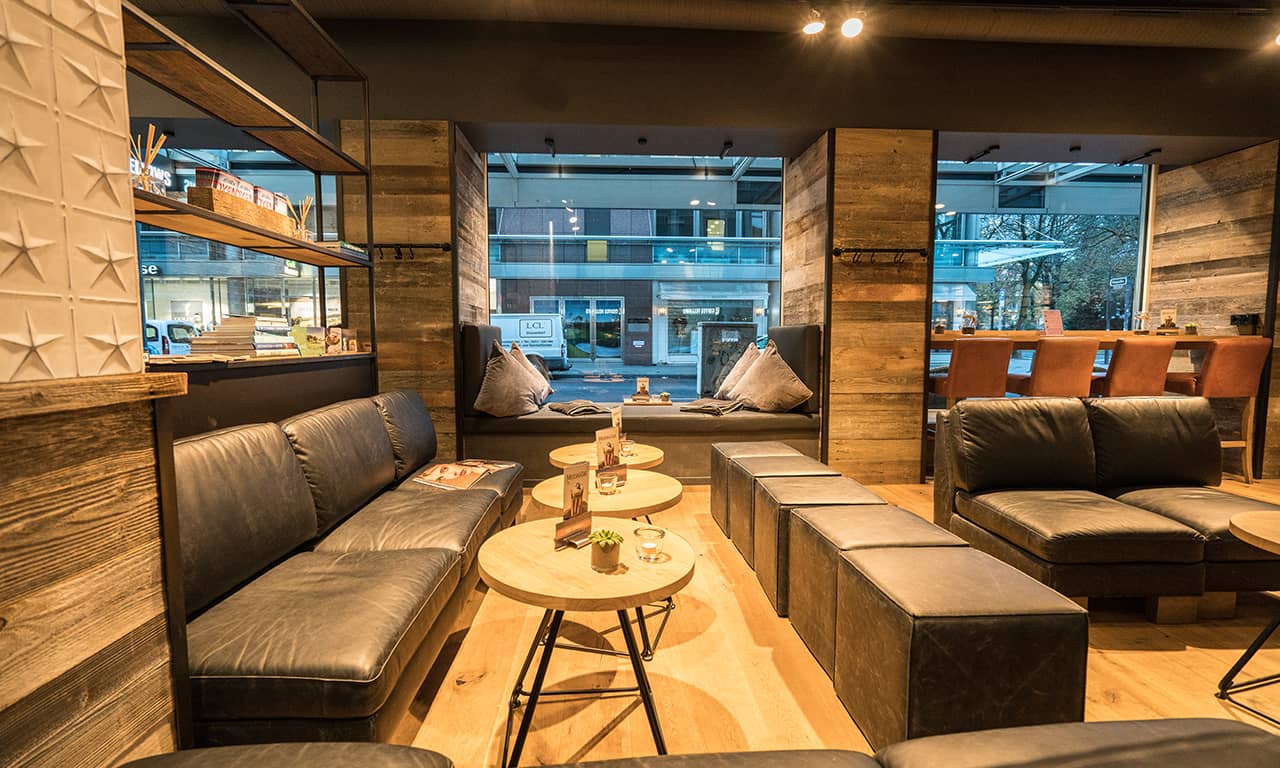
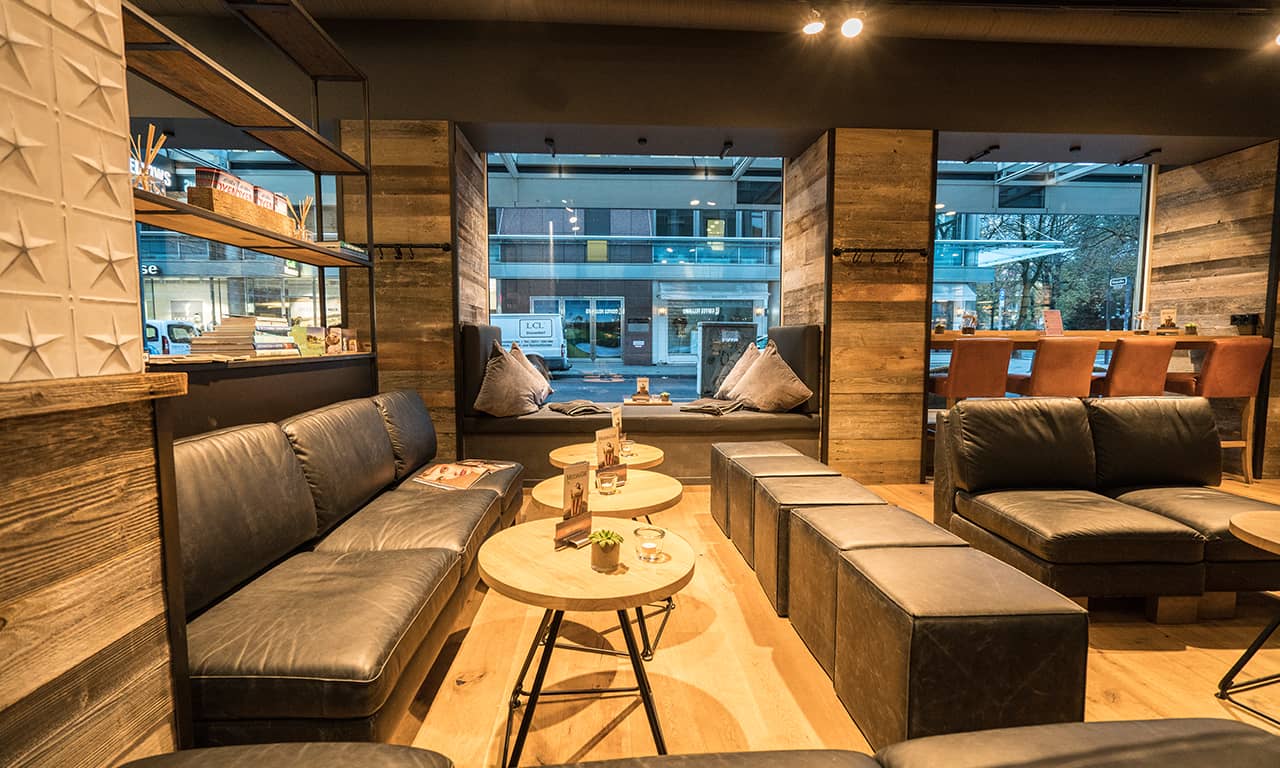
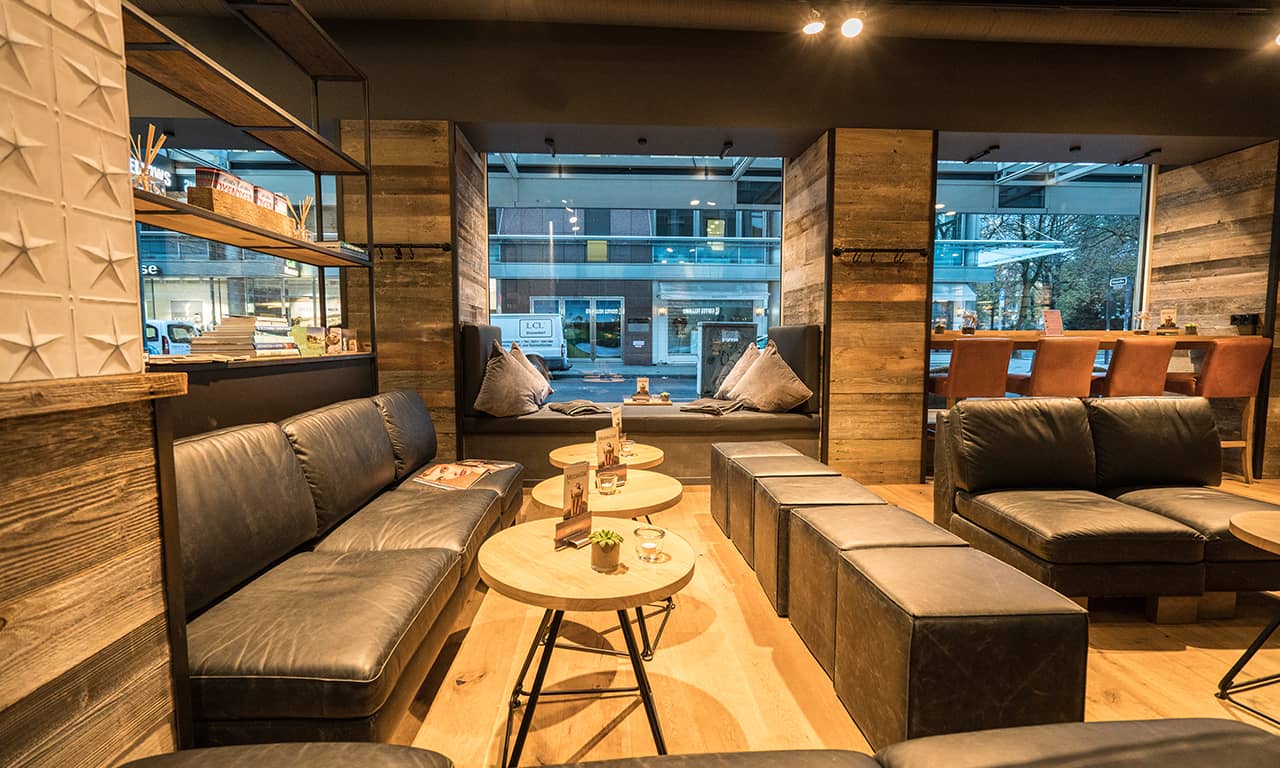
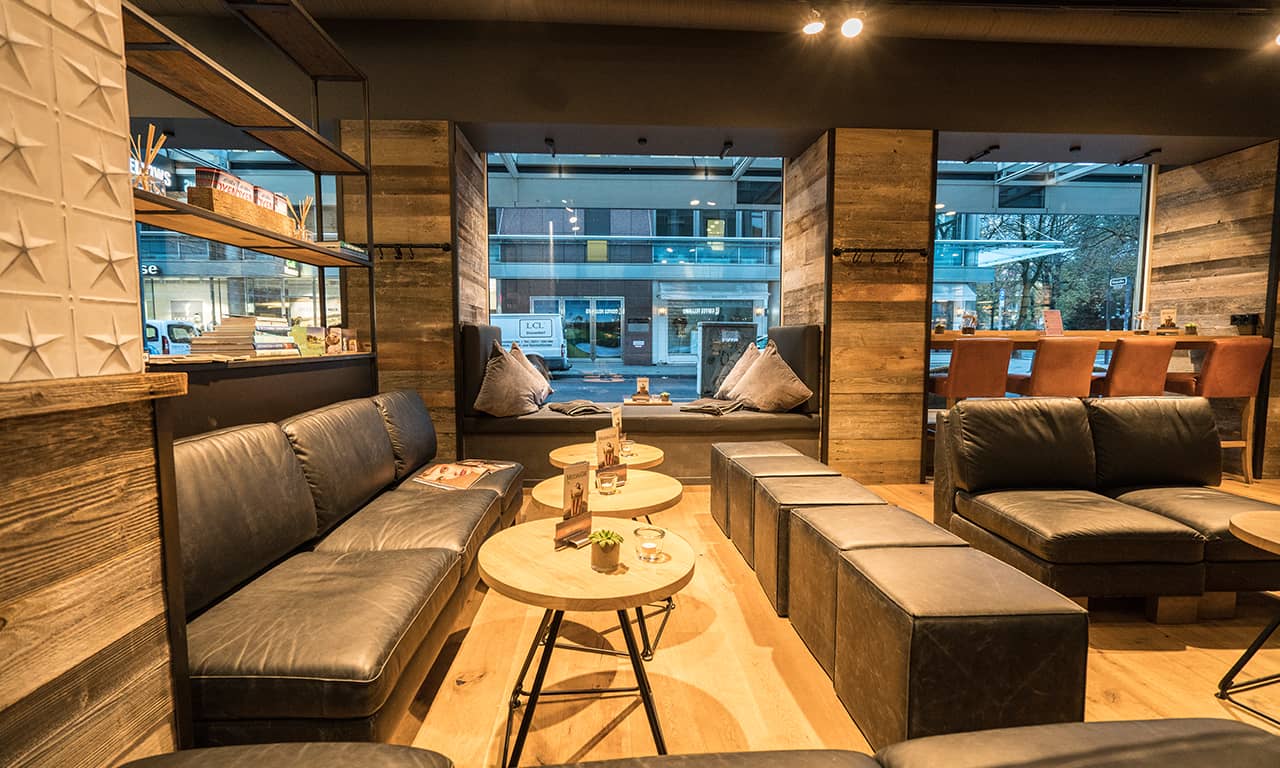
For venues with a stable, predictable format, standard furniture is often the more sensible choice. A fine dining room with a set seating plan does not need chairs and tables that can be stacked and reconfigured, it needs pieces that hold their position, feel solid underfoot, and reinforce a consistent, considered atmosphere night after night. The same logic applies to coffee shops and cafés with a steady daily flow, the layout that works at 8am works at 3pm, so there is little to gain from that kind of flexibility.
Standard furniture also tends to be sturdier per unit, since it does not need joints, connectors or folding mechanisms that introduce extra failure points, and it typically requires no staff time spent rearranging a room between services. For venues where the layout itself is part of the brand experience, a specific table arrangement, a signature booth configuration, standard furniture protects that consistency in a way modular pieces cannot guarantee.
When Modular Furniture Earns Its Place
The picture changes, however, for venues where the same space serves different purposes throughout the day. Hotel function rooms are the clearest example, a space that hosts a business breakfast at 7am, a conference at noon and a wedding reception at 7pm needs furniture that can be reconfigured quickly and repeatedly. Event spaces, bars that convert from dining service to a late-night standing-room crowd, and hybrid food-and-beverage venues that host private events alongside regular service all share the same need, the furniture has to move with the business, not against it.
Modular furniture only delivers on its flexibility when staff can reconfigure a space efficiently. In the early stages of using a modular setup, reconfiguration can take longer than expected, simply because staff are still learning the most efficient sequence for a given layout, this settles quickly with a short familiarization period and a clear, repeatable process for each configuration a venue uses regularly. Venues that treat this as a one-time training exercise, rather than an ongoing effort, tend to get the most out of a modular investment, since reconfiguration time drops significantly once the process becomes routine for the team.

The Real Cost of Flexibility
This flexibility comes at a real cost, and it is worth naming rather than glossing over. Modular furniture typically carries a higher per-unit price than standard equivalents, since it is engineered with connectors, folding mechanisms or stackable frames that add manufacturing complexity. It also requires storage space and staff time to reconfigure, since someone has to physically move and reassemble the room, a recurring labor cost that standard furniture simply does not have. The added flexibility needs to match the venue's actual needs, which is exactly what determines whether it is the right fit.
Figuring Out The Right Furniture Strategy?
Let's walk through a layout assessment, zone by zone.
Matching Furniture to How Your Venue Actually Operates
The clearest way to decide is to consider how often a venue's layout genuinely needs to change. A space that never reconfigures gains little from modular furniture, while inheriting additional maintenance requirements and wear. A space that reconfigures on a monthly basis may benefit from a partial modular approach applied to specific zones. A space that reconfigures weekly or daily, such as a hotel with consecutive events or a bar that transitions from dinner service to a late-night format, generally benefits most from a modular approach, since a standard layout would otherwise limit the range of business the space can accommodate.

Durability Depends on Build Quality, Not Format
Durability in this comparison depends less on whether furniture is modular or standard, and more on how well it is engineered. Well-built modular furniture, with reinforced connectors and quality hardware, holds up to repeated assembly and disassembly without a meaningful loss in lifespan. The real variable is build quality, not the modular format itself, which is why sourcing modular furniture designed specifically for frequent reconfiguration matters more than avoiding the category altogether.
Hybrid Zones: The Solution Does Not Have to Be the Same Everywhere
In practice, most venues do not end up choosing only one approach, as they prefer to mix the two by zone. Standard furniture in the stable core of a venue, like a main dining room with a consistent format, and modular furniture in the zones that genuinely need flexibility, like an event space, a bar's overflow area, or a seasonal patio. This hybrid approach lets a venue protect the durability and lower cost of standard furniture where predictability is the norm, while reserving modular's premium for the specific areas where flexibility actually pays for itself.
A short checklist can help sort furniture by zone, how often does this space's layout need to change, is there staff capacity to reconfigure it regularly, and is there enough storage for folded or stacked pieces.
Your Modular vs Standard Furniture Checklist
- Identified which zones genuinely need to change and how often
- Kept standard furniture in stable-format zones where consistency matters most
- Reserved modular furniture for zones that reconfigure weekly, daily or repeatedly
- Confirmed staff have capacity and a clear process to reconfigure modular zones
- Checked available storage space for folded or stacked modular pieces
- Prioritized build quality and reinforced connectors over the modular label alone
- Weighed the higher per-unit cost of modular against actual, ongoing reconfiguration needs
- Avoided a single blanket policy applied across an entire venue
There is no single right answer between modular and standard furniture. The more useful question is which zones within a venue actually need to change, and how frequently that happens. A single space often contains a mix of both needs, certain areas benefit from consistency and a fixed format, while others depend on the ability to adapt quickly to different uses. Identifying which zones fall into each category is what leads to a well-matched furniture strategy, rather than defaulting to one approach across an entire venue. If you would like a second opinion on how to structure a specific space, we are happy to walk through a layout assessment with you, zone by zone, and help match the furniture to how the venue actually runs on a daily basis.
If you found this useful, you may also enjoy our article on Banquet Hall Furniture: Specifications for Large-Scale Events.
OUR SERVICES
MORE FROM OUR BLOG
About P&M Furniture
P&M Furniture designs and delivers commercial-grade furniture for hotels, restaurants, cafes and bars across Europe, combining durability with design that supports how each venue actually works.
Figuring Out The Right Furniture Strategy?
Let's walk through a layout assessment, zone by zone.
Request a Quote