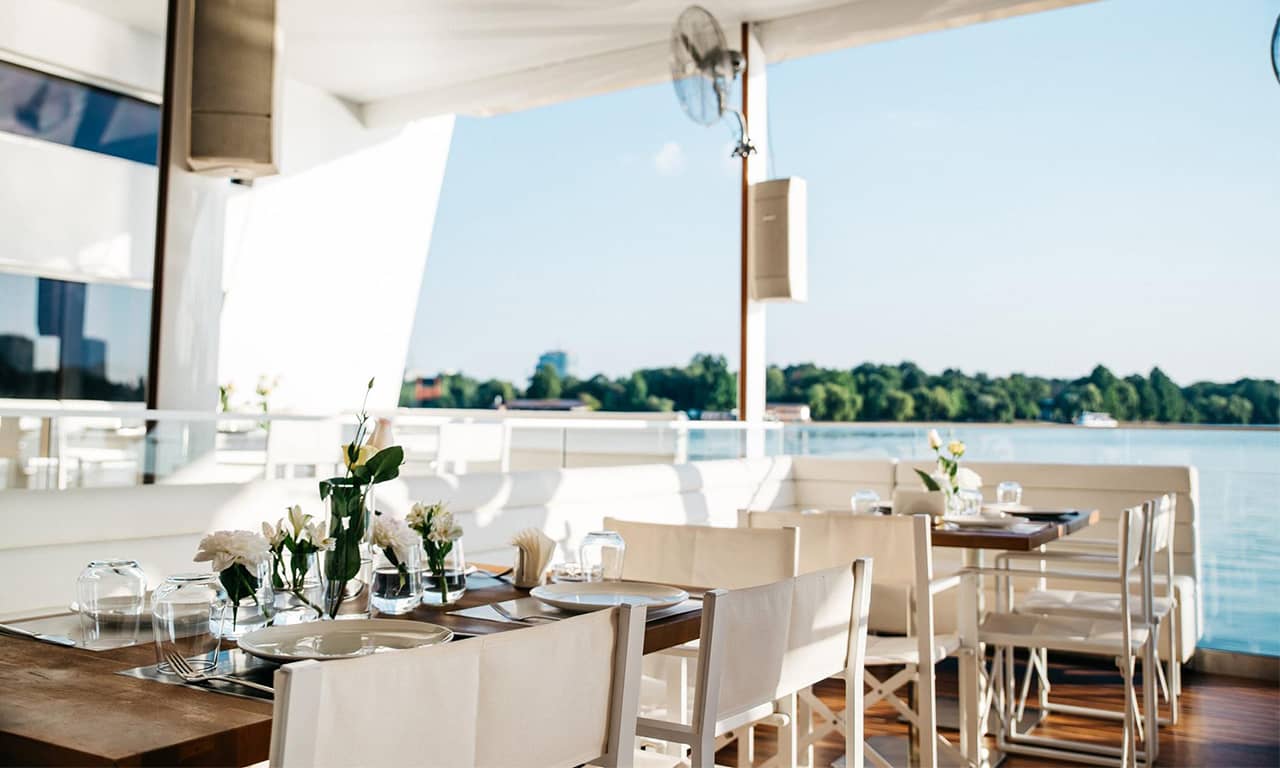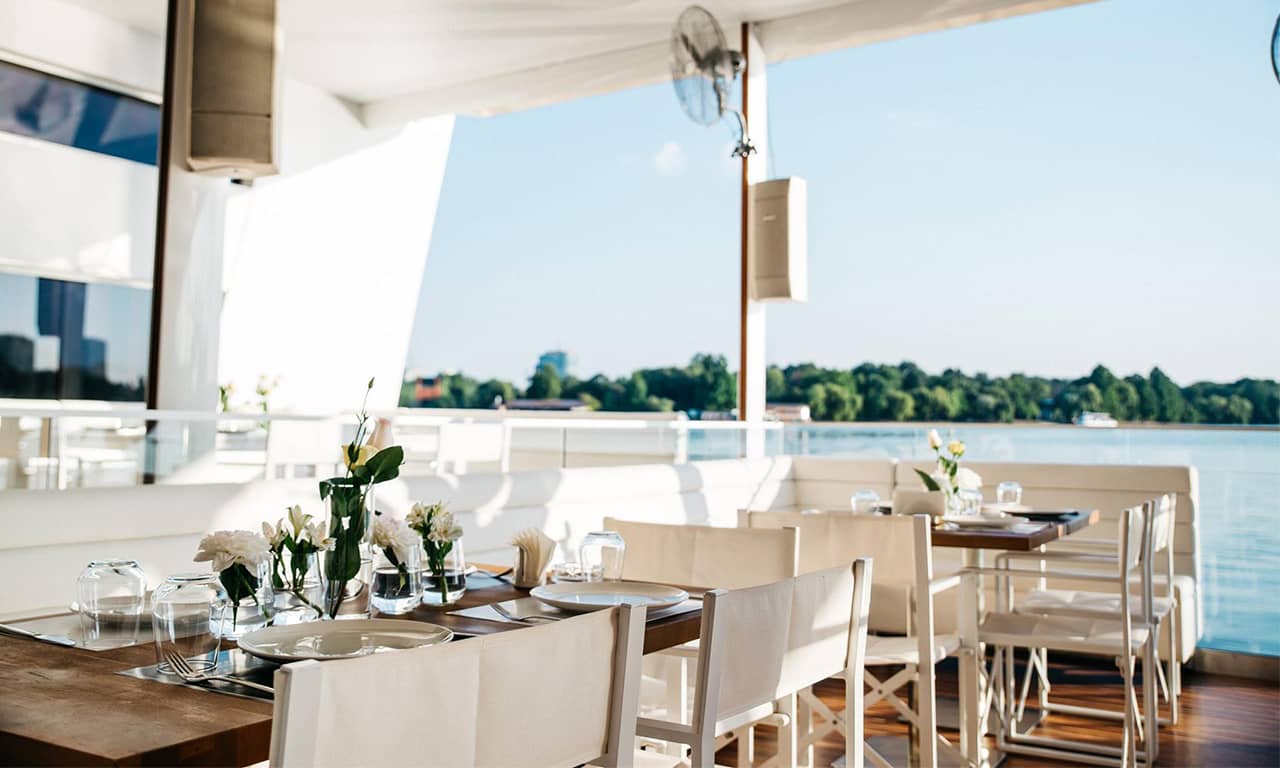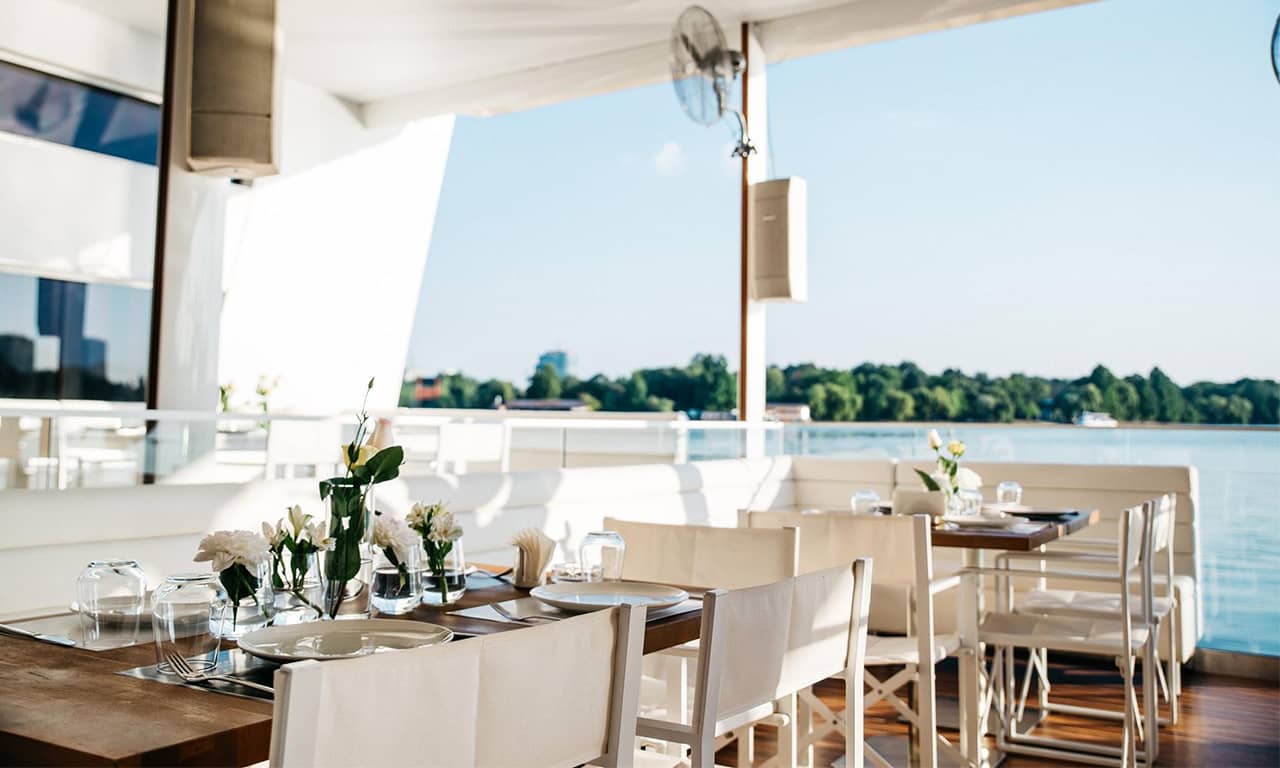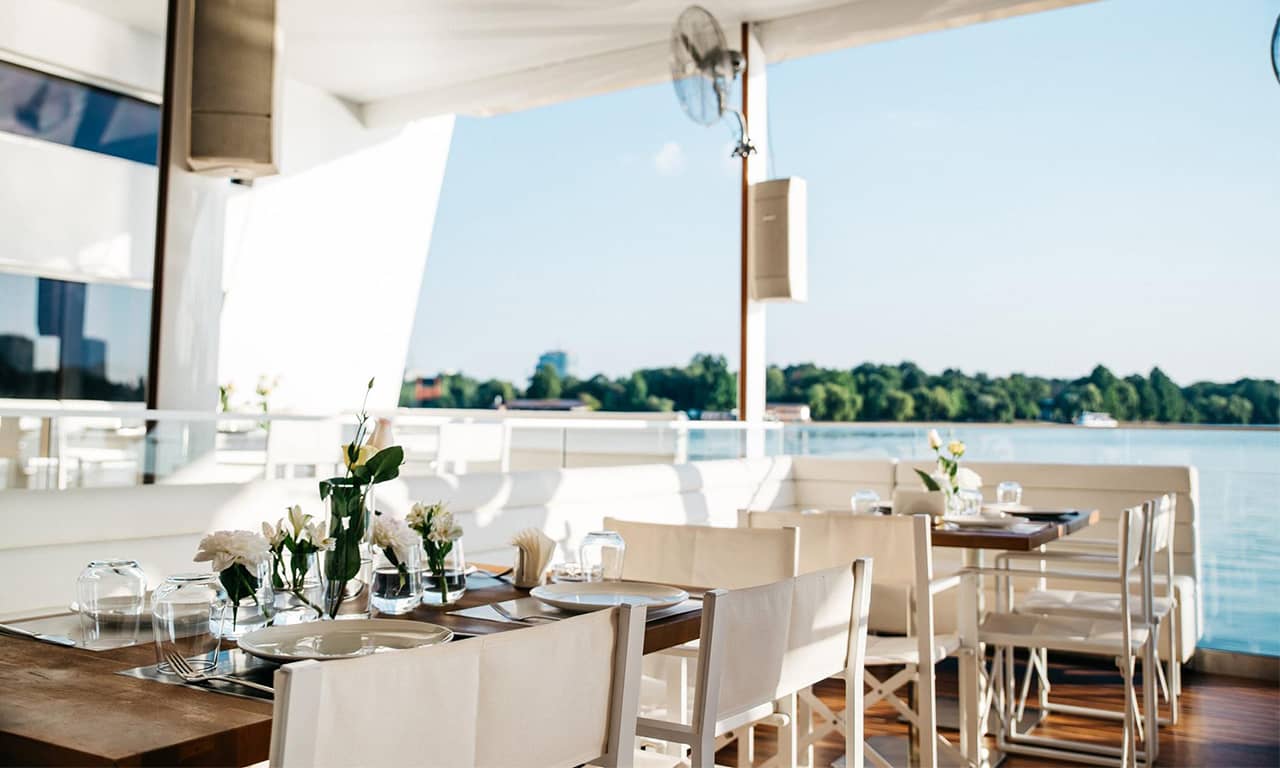
Did you know? Furniture in hotels, restaurants, cafés and beach clubs is subject to far greater demands than furniture in a private garden. It is exposed to direct sunlight, contact with chlorinated water, frequent cleaning and repeated handling by staff throughout the day. Professional-grade materials are developed for these conditions, they retain their colour and shape season after season, which safeguards both the guest experience and the purchasing budget. This Q&A examines five materials widely used in HORECA outdoor furniture, aluminium, glass fibre reinforced polypropylene, concrete, powder coated steel and robinia wood, and how each performs where it matters most.

1. What Makes Outdoor Furniture Durable Enough for Pools and Resort Terraces?
Durability in a HORECA setting depends on five factors, UV radiation, moisture, chlorine, salt air and continuous use. Contract-grade materials and finishes are specified to withstand these conditions without fading, corroding or decaying, which distinguishes them from furniture not intended for commercial use.
Resistance to the elements is only part of the assessment. Owners must also consider the time and cost of maintenance, a piece that requires only mild soap and water between services offers greater value than one that needs regular refinishing. Weight is equally relevant, loungers are repositioned daily, whereas dining tables usually remain in place. Stackability also matters, as terraces often need to be cleared and reset quickly. Finally, construction quality deserves as much attention as the material itself, welds, joints, finishes and fixings are where furniture most often fails under intensive use. The best choice matches each material's strengths to the function of the piece.
2. Which Materials Suit Lightweight, Mobile Pieces Like Loungers and Stackable Chairs?
Aluminium and glass fibre reinforced polypropylene are the best choices for furniture that is moved frequently. Both are light, which simplifies rearranging and storage, and neither corrodes, while still being durable, a significant advantage near water. Aluminium allows for slim, refined frames and performs well in the presence of chlorine and salt air, particularly with a protective finish, it is well suited to elegant terrace seating and loungers where a lighter visual profile is desired.
Polypropylene reinforced with glass fibre offers a different set of strengths. The glass fibre adds rigidity and load capacity, while the polypropylene is waterproof, does not rot, and is coloured throughout the material. With UV-stable pigments, the colour remains consistent, and minor surface marks are barely visible, which helps a pool area maintain a polished appearance under heavy use. The material also allows for sculpted one-piece designs and efficient stacking. Both are cleaned quickly with mild soap and water, the choice often comes down to style, aluminium for a precise, technical look, and polypropylene for colour, form and comfort-oriented shapes.

3. Which Materials Suit Tables and Structural Pieces?
Concrete and powder coated steel are the most substantial options and are best suited to tables, bases and pieces that remain in a fixed position. Their mass is an advantage on exposed terraces and rooftop bars, where lighter furniture may shift in strong wind.
Concrete offers exceptional stability and withstands sun and rain without warping or decaying. Pieces designed for hospitality come with a protective sealer already applied, which makes the surface resistant to stains from food, beverages and sunscreen, a genuine advantage in restaurants and bars. Cleaning is simple and requires no special treatment, as concrete pieces are difficult to relocate, layouts should be planned carefully before installation.
Steel is strong and cost-effective, and steel produced specifically for outdoor spaces is built to perform in demanding conditions. It undergoes protective preparation followed by powder coating, which creates a durable, uniform finish that resists chipping and corrosion while retaining its colour. This makes it well suited to pool areas and coastal locations, where moisture and salt air are constant factors. Its strength also allows for slim, stable structures that remain secure under daily use. Together, these materials give a terrace a solid, architectural presence that lighter furniture cannot provide.
Choosing Materials for a Pool Area or Resort Terrace?
Explore our furniture collection or contact our team to find the right materials for your venue.
4. Where Does Robinia Wood Fit, and How Does It Age Outdoors?
Robinia is a hardwood known for its natural resistance to moisture and decay, which makes it a fantastic outdoor choice for hospitality. It adds a warmth that metal, polypropylene and concrete cannot, softening the character of a restaurant terrace or pool deck and contributing to an inviting atmosphere.
Unlike the other materials mentioned in this article, wood is a natural material and changes over time. If left untreated, robinia gradually develops a silvery-grey tone, a look many venues embrace as part of their identity. To preserve the original shade, periodic oiling or sealing is required, with the frequency depending on sun exposure and contact with water, pieces located beside a pool will need more attention than those in a covered dining area. Robinia performs best where its natural appearance is a key part of the design, dining tables, benches and lounge seating in sheltered or semi-sheltered areas. Light, periodic care is enough to ensure a long service life.

5. Which Material Lasts Longest in Each Part of a Hospitality Venue?
Each material has its own strengths, so the most effective approach is to match it to the area where it performs best.
- Poolside: aluminium and glass fibre reinforced polypropylene, they are light, corrosion-free, quick to dry and easy to move, which suits frequent contact with water and daily rearrangement.
- Dining terraces: robinia tables and benches for warmth, combined with aluminium or polypropylene chairs. Concrete or powder coated steel tables provide stability where guests spend extended periods.
- Rooftops and exposed areas: concrete and powder coated steel, where weight keeps furniture secure.
- Beach-adjacent and coastal areas: aluminium and polypropylene, which cope well with salt air. Steel requires careful upkeep, and wood is best kept under cover.
The right materials turn an outdoor space into a lasting asset. Aluminium and glass fibre reinforced polypropylene keep loungers and chairs light, colourfast and easy to care for. Concrete and powder coated steel provide a stable, resilient base for tables and structural pieces. Robinia adds natural warmth wherever a more inviting atmosphere is wanted. Chosen with each area in mind, these materials create terraces and pool areas that guests enjoy and that stay beautiful for years. Explore our furniture collection or contact our team to find the right materials for your venue.
If you found this useful, you may also enjoy our article on Furniture That Works Year-Round: Planning Terraces for Every Season.
OUR SERVICES
MORE FROM OUR BLOG
About P&M Furniture
P&M Furniture designs and delivers commercial-grade furniture for hotels, restaurants, cafes and bars across Europe, combining durability with design that supports how each venue actually works.
Choosing Materials for a Pool Area or Resort Terrace?
Explore our furniture collection or contact our team to find the right materials for your venue.
Request a Quote