Noisy dining rooms are one of the most common guest complaints in busy restaurants, yet acoustic comfort is often treated as an afterthought rather than a deliberate design consideration. This guide explores how furniture and material choices directly affect a restaurant's acoustic environment, and what operators can do, even within design and budget constraints, to create a more comfortable sound environment for guests.

1. Why Restaurant Acoustics Matter More Than Operators Expect
Excessive noise doesn't just make conversation difficult, it measurably affects guest perception of food quality, service attentiveness, and overall dining satisfaction in hospitality research, even when the food and service themselves haven't changed. Restaurants with hard, reflective surfaces and minimal soft furnishing tend to generate noise levels that compound as the room fills, creating a feedback loop where guests speak louder to be heard, further raising ambient noise.
2. How Upholstery Choices Affect Sound Absorption
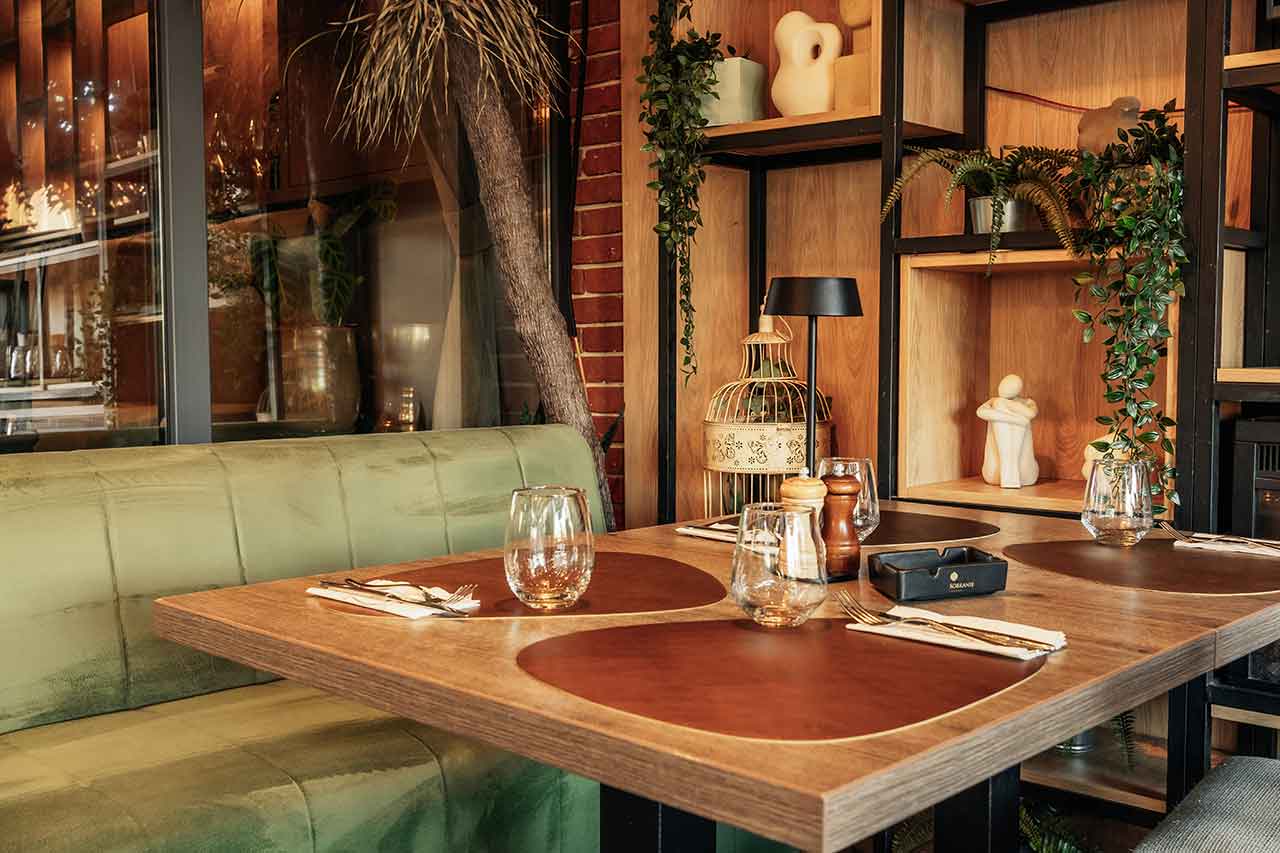
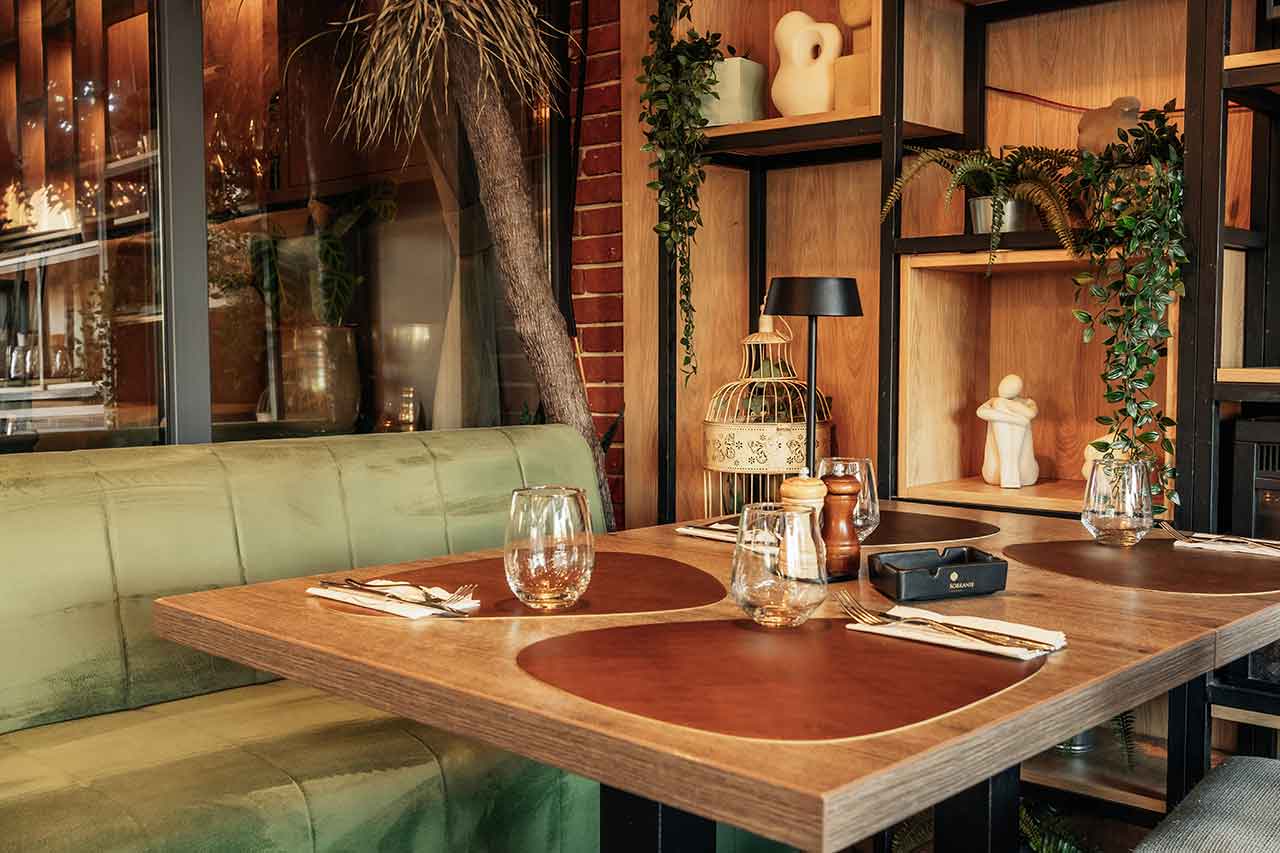
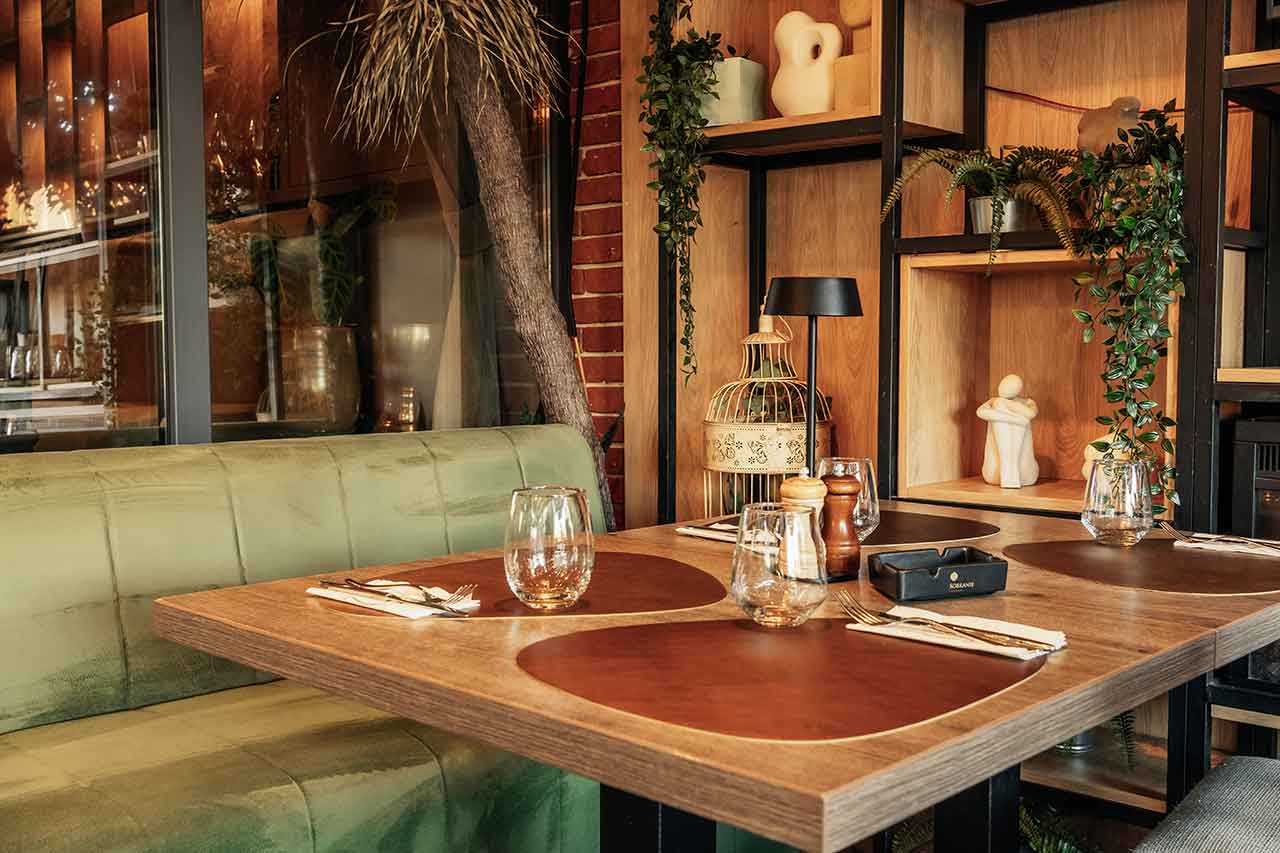
Upholstered seating absorbs and dampens sound considerably more effectively than hard surfaces like wood, metal, or unupholstered plastic seating. Booth seating with full upholstered backs and sides performs particularly well acoustically, since the upholstered surfaces both absorb sound directly and physically separate adjacent tables, reducing how easily conversation carries between them.

3. Textile and Soft Furnishing Strategies Beyond Seating
Beyond upholstered furniture itself, textile elements like window treatments, acoustic wall panels disguised as artwork or decorative paneling, and even table linens contribute meaningfully to overall sound absorption in a dining room. These elements can often be integrated into the broader design concept rather than feeling like a purely functional acoustic retrofit, particularly when planned from the outset rather than added after noise complaints arise.
4. Furniture Layout and Spacing Effects on Perceived Noise
Beyond material choices, the physical spacing and arrangement of furniture affects acoustic perception, tightly packed tables with hard surfaces in close proximity amplify the sense of crowded noise even at the same absolute decibel level, while more generous spacing, even with the same overall seating count, can create a calmer perceived acoustic environment.

5. Balancing Acoustic Comfort with Lively Atmosphere
Not every restaurant concept wants maximum sound dampening, many lively bar and casual dining concepts intentionally embrace energetic ambient noise as part of their atmosphere. The goal isn't necessarily silence, but rather giving operators deliberate control over their acoustic environment through furniture and material choices, rather than ending up with unintentionally excessive noise as a byproduct of hard-surface design choices made for other reasons.
6. Retrofitting Acoustic Improvements into Existing Spaces
For restaurants experiencing noise complaints in an already-built space, targeted furniture and material changes can meaningfully improve acoustics without a full renovation, reupholstering hard banquette backs, adding acoustic panels in strategic locations, or introducing softer window treatments are all relatively contained interventions that can noticeably reduce ambient noise levels.

Your Acoustic Comfort Checklist
- Considered upholstered seating, particularly full-back booths, for sound absorption
- Incorporated textile elements beyond seating into the broader acoustic strategy
- Evaluated furniture spacing and layout for its effect on perceived noise
- Aligned acoustic goals with the intended atmosphere of your concept
- Identified targeted, retrofit-friendly acoustic improvements for existing spaces
Acoustic comfort is a furniture and material decision as much as it's an architectural one, and addressing it deliberately can meaningfully improve guest experience. At P&M Furniture, we help operators select upholstery and furniture configurations that support the acoustic environment their concept needs. Contact our team to discuss your dining room.
Related Services
More From Our Blog
About P&M Furniture
P&M Furniture is a HoReCa furniture and interior design specialist, helping hotels, restaurants, and cafés across Europe create spaces that are both beautiful and built to last. From custom-made furniture to complete interior concepts, our team supports every step of your project, from the first idea to final installation.
Dealing with noise complaints in your dining room?
Talk to our team about furniture and material choices that improve acoustic comfort.
Request a Quote →