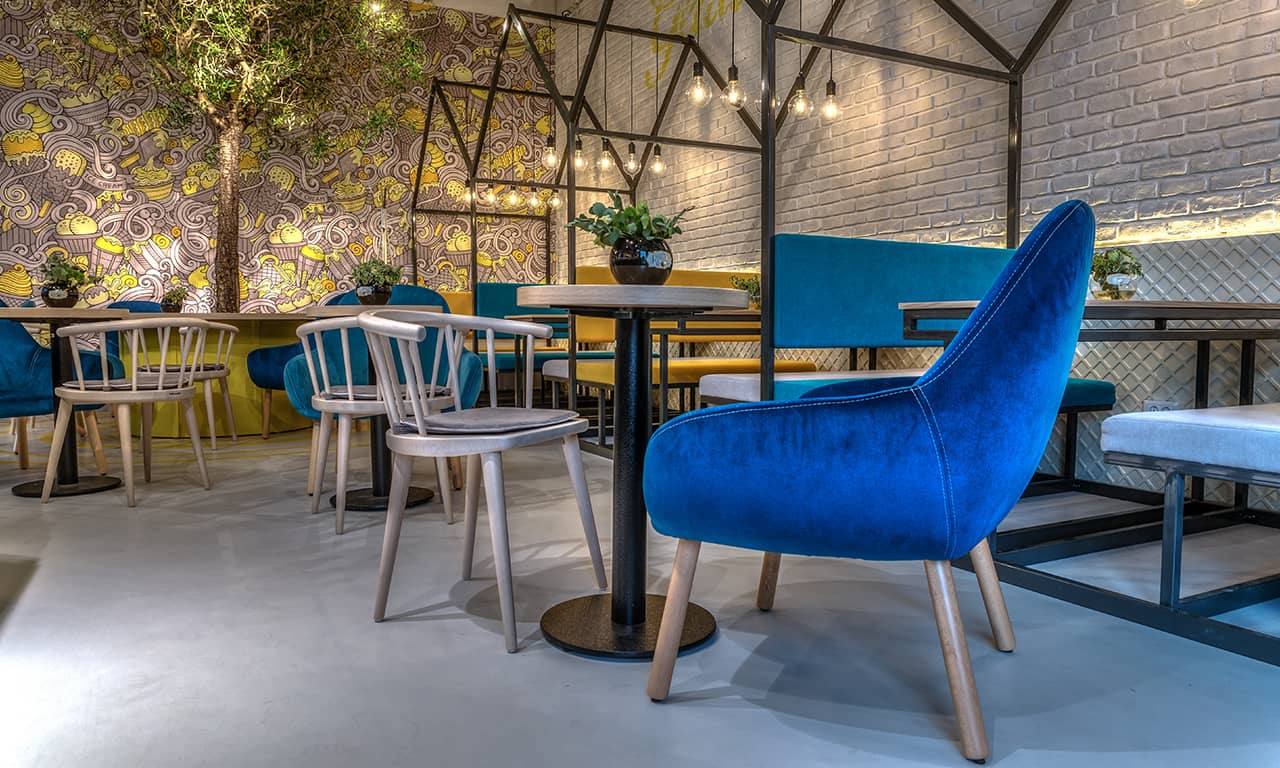
Every HoReCa owner eventually faces the same question while walking through their dining room, bar or lobby, that chair looks tired, do we fix it or replace it? It feels like a simple maintenance call, but it is actually a business decision with real consequences for cost, downtime, guest experience and brand image. Getting it wrong in either direction means either overspending on restoring furniture that was never going to last, or replacing pieces that had years of good service left in them. The right answer depends less on how old a piece looks and more on where and how it is used, that is the lens through which we explore this topic throughout the article.
The Right Conditions for Reupholstering
Before looking at when to replace, it is worth being specific about when reupholstering is the right call. A private dining room with four tables that turn over twice a week is a good candidate, since the chairs simply are not absorbing the wear a busy dining room sees. Boutique hotel suites, where a lounge chair might be sat in a handful of times a week, fall into the same bucket.
And then there is furniture that is part of a venue's identity, a heritage piece, a design-statement chair sourced for its look rather than its durability, something guests recognize as part of the space. In all of these cases, a solid hardwood or metal frame in good structural condition means reupholstering can extend the life of a piece that has earned its place, without disrupting what makes the space feel the way it does. The common thread is not age, but low, infrequent use on a frame that is still sound.

Wear Is More About Cycles Than Age
Here is the mistake we see most often, judging furniture condition by how many years it has been in service. In hospitality, that is the wrong measure. What actually determines wear is how many cycles of use a piece absorbs, and that varies enormously by furniture type and location within a venue.
Even in high-traffic commercial spaces, some furniture experiences more wear than others. Barstools in busy bars, booths in quick-service restaurants and seating in hotel breakfast rooms may be used dozens of times a day, while chairs in private dining rooms, hotel conference spaces or quieter lounge areas may see less frequent use. The more frequently a piece is used, the faster its upholstery is likely to show signs of wear, but heavy use does not necessarily mean replacement is the better option, if the frame is still structurally sound, reupholstering can extend the furniture's lifespan without the cost of replacing the entire piece.
The Hidden Costs of Reupholstering Heavily Used Furniture
For commercial furniture that sees constant daily use, the true cost of reupholstering can extend well beyond the initial quote.
- Downtime: taking ten barstools out of service for two weeks during peak season can mean fewer available seats and potentially lost revenue, a cost that is easy to overlook when comparing reupholstering with replacement.
- Frame condition: years of heavy use can weaken joints and other structural components, even when the damage is not immediately visible. Reupholstering a piece without properly assessing its frame could mean investing in furniture approaching the end of its useful life, and structural failure during service can create safety and liability risks.
- Skilled labor: reupholstering commercial furniture requires time, expertise and materials that can make the process expensive, particularly when structural repairs are also needed. If the existing frame has limited life remaining, the investment may only postpone an inevitable replacement.
The key is to consider the total cost, including downtime, frame condition and expected remaining lifespan, rather than comparing the price of reupholstering with the purchase price of new furniture alone.
Weighing Reupholstering Against Replacement?
We're happy to help with a second opinion on a specific space or fleet.
Hygiene, Compliance and Guest Perception
High-cycle seating is also the seating guests interact with most, photograph and review most. Worn upholstery, visible staining or fabric that has lost its finish after repeated cleaning cycles shows up in guest photos and reviews faster than almost any other detail in a venue.
In some regions, upholstery materials in food-service areas are also subject to hygiene and fire-safety regulations that older or heavily-patched fabric may no longer meet. This is one of the more concrete, unglamorous reasons that guest-facing, high-cycle furniture deserves a shorter replacement cycle than furniture tucked into a private room.

Reupholster vs Replace: A Cost-Per-Cycle Framework
Rather than comparing sticker prices, compare the cost against the furniture's expected remaining service life. Take the cost of reupholstering and divide it by the realistic number of years the piece is expected to remain in service in its current location, then do the same for a new piece, factoring in its expected lifespan and any applicable warranty.
The important point is that two identical pieces can have very different economics depending on their condition and use. A barstool that has already spent years in a busy bar may have significantly less service life remaining than a chair that has seen lighter use in a private dining area. Looking at the cost per remaining year of service gives a more useful comparison than the upfront price alone, and it also accounts for frame condition, expected durability, downtime and the likelihood that further repairs will be needed.
Standards to Consider Across Multiple Locations
For venues with multiple locations, or a single venue that has grown its furniture inventory in phases, there is another factor, consistency. Reupholstering pieces one at a time, as they wear, tends to produce a slowly diverging fleet, different fabric batches, different finishes, chairs that no longer quite match. A consistent, replaceable product line avoids that drift and keeps brand standards intact across every table and every location.
For any piece in question, three questions cut through most of the ambiguity, is the frame structurally sound, is it guest-facing and visible in photos or reviews, and what is the cost-per-cycle of repairing it versus replacing it.

Your Reupholster vs Replace Checklist
- Assessed the piece by cycles of use, not by age alone
- Verified the frame is structurally sound before committing to reupholstering
- Factored in downtime cost, not just the reupholstering quote
- Checked hygiene and fire-safety requirements for guest-facing, high-cycle seating
- Compared cost-per-remaining-year of service, not sticker price alone
- Considered fleet consistency across multiple locations or phased inventory
- Confirmed whether the piece is part of the venue's visual identity
- Set a shorter replacement cycle for furniture guests photograph and review most
There is no universal answer, but there is a reliable method, look at how a piece is actually used, not just how old it looks. Reupholstering earns its place on frames that are still sound and see low, infrequent use, while replacement makes more sense once downtime, frame risk and cost-per-cycle stack up against it. If you would like a second opinion on a specific space or fleet, we are happy to help.
If you found this useful, you may also enjoy our article on Commercial Furniture Maintenance Schedules: A Practical Guide.
OUR SERVICES
MORE FROM OUR BLOG
About P&M Furniture
P&M Furniture designs and delivers commercial-grade furniture for hotels, restaurants, cafes and bars across Europe, combining durability with design that supports how each venue actually works.
Weighing Reupholstering Against Replacement?
We're happy to help with a second opinion on a specific space or fleet.
Request a Quote