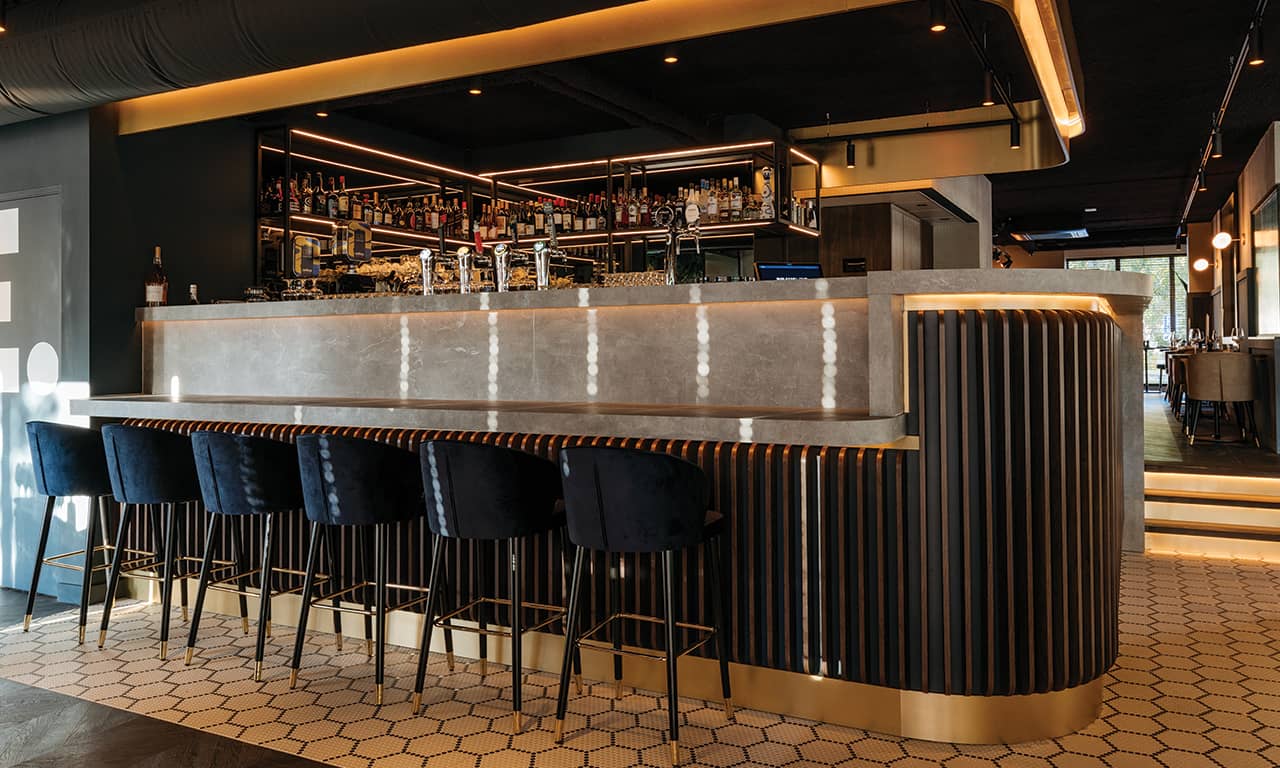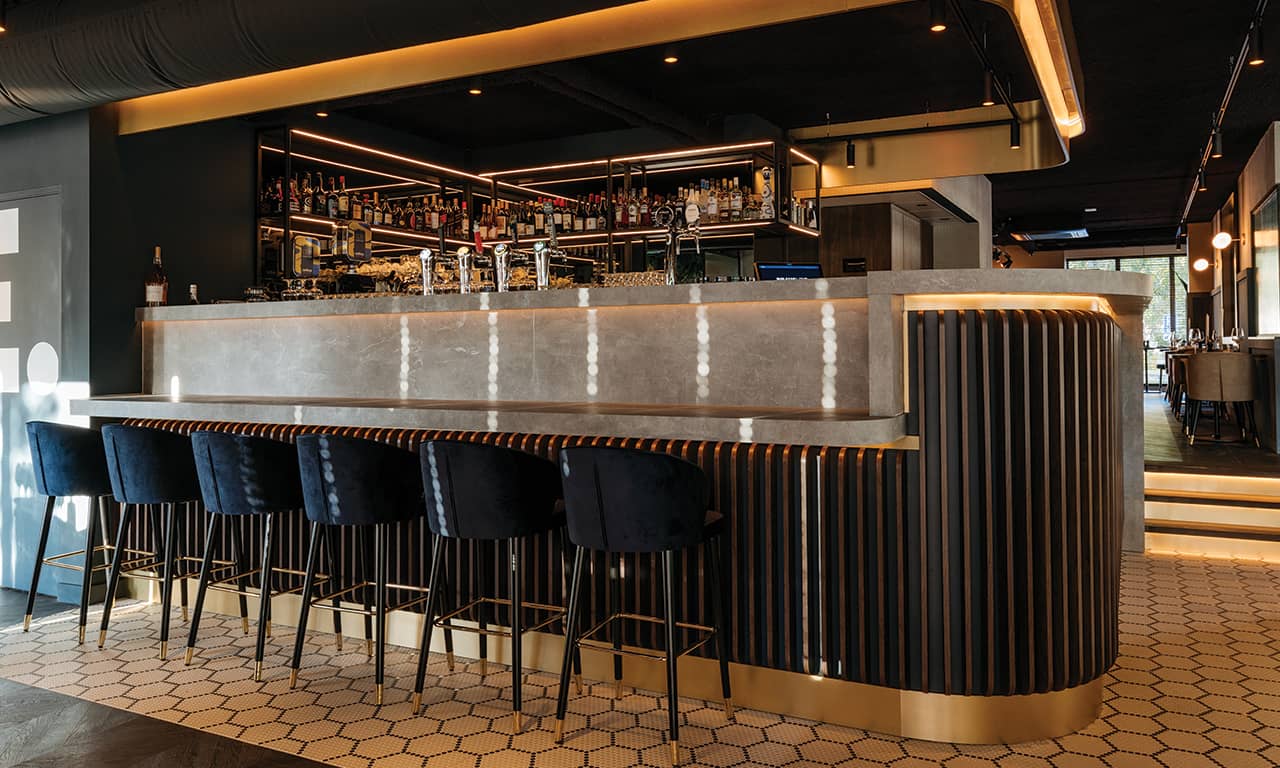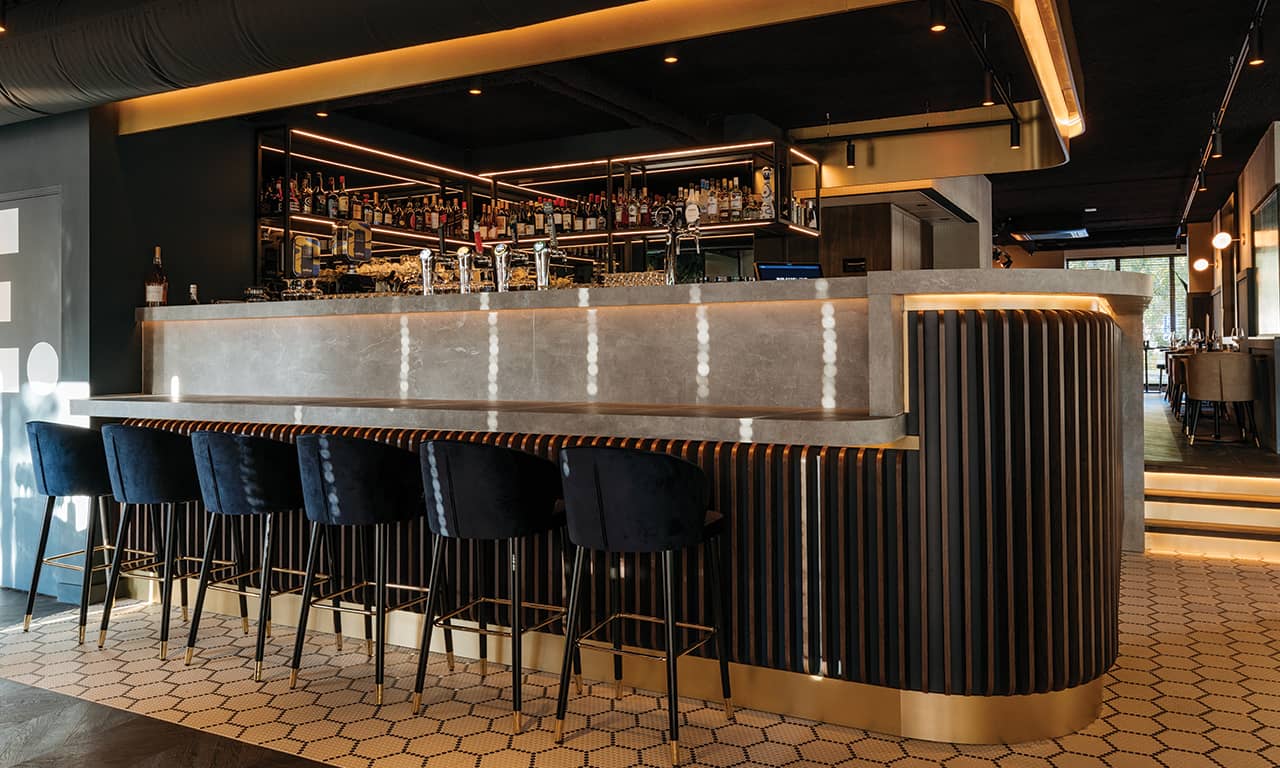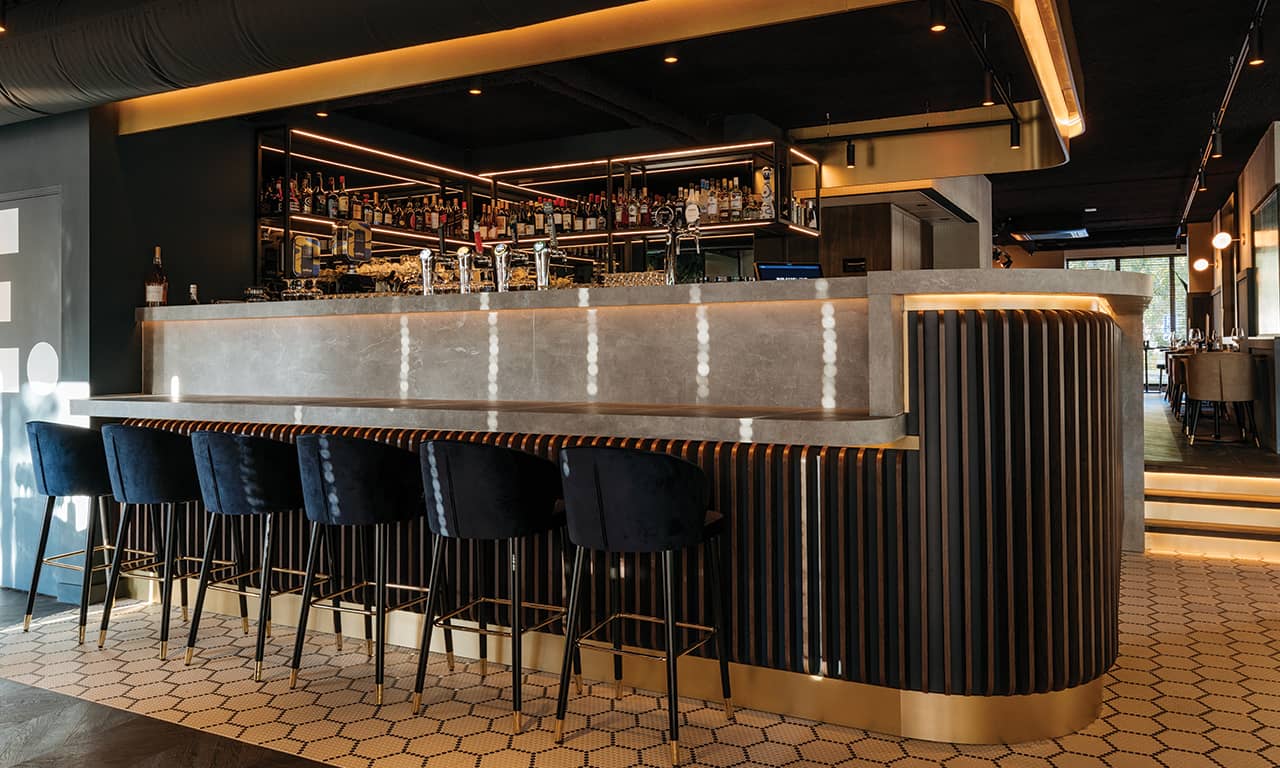
The character of a bar evolves with the calendar. In the warmer months, terraces fill early and the bar counter becomes the heart of the venue; in the colder months, guests favor intimate corners, softer lighting, and unhurried conversation. A venue whose furniture adapts to these rhythms offers each guest the setting best suited to the moment.
Seasonal rotation is the practice of reshaping seating, tables, and layout to reflect these changing preferences. Thoughtfully planned, it enhances revenue per square meter, elevates guest comfort, and distributes wear evenly across a larger collection of pieces. It also introduces an additional consideration: every item will be lifted, stacked, stored, and returned to service twice a year, in addition to daily use. This is where heavy-traffic furniture, often described in the trade as commercial-grade or contract-grade, proves its value. Pieces engineered for intensive use remain composed and attractive through every changeover, season after season.

Understanding the Peak and Off-Season
Peak and off-peak periods differ from one venue to the next. A rooftop bar reaches its height in summer, a mountain lodge in winter, and a city cocktail bar during the festive season and the weekend evenings that anchor its calendar. The most reliable guide is the venue's own data: two years of sales figures, reservations, and footfall will help discover its true rhythm, including shorter peaks such as festivals, sporting events, and local celebrations.
With that rhythm clearly defined, it becomes possible to plan two or three distinct configurations in place of a single compromise layout. The sections that follow describe what each configuration requires and how to make every changeover seamless.
Peak season setup: maximizing capacity and flow
During the busiest season, the aim is to welcome and serve as many guests as possible while preserving comfort and a sense of occasion. This is also the period of most intensive use: seating is repositioned constantly, terrace pieces spend long days in sun and rain, and service moves at pace.
Several principles guide an effective peak-season layout:
- Introduce vertical seating: high tables, standing tables, and bar stools increase capacity while making efficient use of floor area;
- Preserve generous circulation: clear routes for service staff and emergency exits support smooth service and compliance with safety regulations;
- Extend to outdoors: terrace seating is frequently the greatest contributor to peak-season revenue, so select pieces designed for harsher conditions;
- Favor easy-care surfaces: short intervals between services call for finishes that can be refreshed in moments;
When selecting pieces for peak season, consider the frame material, finish, and warranty. Furniture specified with these qualities in mind continues to look refined through the busiest summer and well beyond.
An excellent example is the Volt 678 bar stool from Pedrali. Its slender profile and ergonomic form are realized in fiberglass-reinforced polypropylene, shaped through gas-assisted molding, a process that delivers exceptional strength and precision. Designed for outdoor use, it is equally at home on a terrace or at an indoor bar. With a width of 47 cm, a depth of 48 cm, and a seat height of 76.5 cm, it sits neatly along a counter or high table. At only 5 kg, it is also easy for staff to move.
Ready to choose the bar furniture for your project?
Explore furniture and materials suited to your location, style and interior design.
Off-Season Setup: focusing on the atmosphere
As the pace slows, the emphasis shifts to warmth, comfort, and atmosphere. Lounge chairs, booths, and banquettes invite guests to linger, and grouping seating into smaller, more relaxed zones gives a quieter room a welcoming sense of fullness. Richer textures and softer lighting complete the transformation.
The off-season also opens the door to new kinds of business. Trivia evenings, tastings, live music, and private hire all benefit from flexible layouts, so pieces that can be rearranged with ease are especially valuable. Because a private gathering of forty guests places the same demands on furniture as a busy Friday, comfort pieces, too, are best chosen to commercial-grade standards.

Storage and logistics
A rotation is most successful when the process is simple. Decide early where out-of-season pieces will be kept, whether in a back room, a basement, a rented storage unit, or a supplier's warehouse. A few considerations can make the process effortless:
- Choose stackable pieces. Stackable chairs and stools occupy a fraction of the space in storage. The Volt 678 is stackable, making it a practical choice for venues with limited storage.
- Favor lightweight, robust designs. Furniture that is light enough to carry comfortably and robust enough to withstand regular handling preserves its finish and structure through every move.
- Label and cover each piece. A simple inventory list and protective covers ensure that furniture returns to service in the condition in which it was stored.
- Schedule the swap outside opening hours. A well-organized team can reconfigure a venue in a few hours without interrupting a single service.
Maintenance, budget, and the rotation checklist
Treat every swap as an inspection. Each changeover is a natural opportunity to care for the collection. Tighten hardware, review joints and welds, refresh upholstery, and touch up finishes (where needed). Easy-care materials simplify this routine: polypropylene pieces can be wiped with a microfiber cloth and mild soapy water, then rinsed. Abrasive sponges and granular detergents are best avoided, as they can mark the surface. Rotation also distributes wear across more pieces, so that no single item is in constant use and the entire collection enjoys a longer life.

Heavy-traffic furniture represents a higher initial investment, yet its longevity and resilience through repeated handling lower the annual cost of ownership. Where possible, purchase during the off-season, when suppliers are often more flexible on timing and pricing. A sound approach is to build a core of versatile commercial-grade pieces that serve both seasons, complemented by a smaller seasonal collection for peak or quieter periods.
A rotation checklist:
- Review sales data to define peak and off-peak periods;
- Plan two layouts, one for each season;
- Arrange storage and keep an inventory list;
- Schedule the swap outside opening hours;
- Inspect, clean, and care for each piece at every changeover.
Seasonal rotation turns furniture into an asset that adapts to the rhythm of the business. It rewards pieces designed for frequent handling, which is why durable, stackable, commercial-grade furniture is the foundation of a successful rotation plan. As you prepare for the coming peak season, discover the wider range of horeca furniture from our collection, selected for both the liveliest evenings and the quietest months.
If you found this useful, you may also enjoy our article on Bar Design Inspiration: Creating Atmosphere Through Furniture.
OUR SERVICES
MORE FROM OUR BLOG
About P&M Furniture
P&M Furniture designs and delivers commercial-grade furniture for hotels, restaurants, cafes and bars across Europe, combining durability with design that supports how each venue actually works.
Ready to choose the bar furniture for your project?
Explore furniture and materials suited to your location, style and interior design.
Request a Quote