Contract furniture is a term buyers encounter constantly in commercial procurement, but its precise meaning is often assumed rather than understood. Getting clear on the definition, how it differs from what sits at home, and where it actually gets used across a property, helps buyers specify correctly and avoid confusion with suppliers, particularly during early conversations when misaligned assumptions are cheapest to correct. The term originates from the way this furniture is sold, through contracts negotiated directly with businesses rather than off-the-shelf purchases made by individual consumers. That distinction, business-to-business rather than business-to-consumer, shapes nearly everything else about how contract furniture is designed, tested and priced, from the materials chosen to the certifications a supplier is expected to carry.

The Actual Definition of Contract Furniture
Contract furniture refers to furniture manufactured to defined commercial specifications and sold through business-to-business channels, rather than furniture sold directly to consumers for home use.
This manufacturing approach means contract furniture is built from the outset with commercial durability, fire safety compliance and warranty terms suited to business buyers, rather than adapted after the fact from a consumer product line originally designed for an entirely different purpose.
Contract Furniture vs Residential Furniture
The main difference comes down to the level and frequency of use it is built for. Residential furniture is designed around a household, while contract furniture is intended for environments where many different users interact with the same pieces every day, which is why durability, stability, ease of maintenance and material performance carry far more weight in the specification.
Contract furniture may also need to comply with standards a residential piece never has to meet, covering structural performance, fire safety or other aspects of commercial use, and these standards vary by market. Selecting furniture on appearance or price alone, without confirming it actually carries the relevant certification, is one of the more common and expensive mistakes in commercial procurement.

How Contract Furniture Differs From Bespoke
Contract furniture typically comes from an existing manufactured line with commercial-grade specifications, while bespoke furniture is designed and built from scratch for one specific project. This distinction affects cost, lead time and the degree of customization available.
- Contract furniture ships from existing tooling, bespoke requires new tooling or handwork
- Contract lead times are typically weeks, bespoke lead times often run months
- Contract customization is usually limited to fabric and finish, bespoke allows full design changes
- Contract pricing is generally lower per unit at volume than bespoke work
Where Contract Furniture Is Used
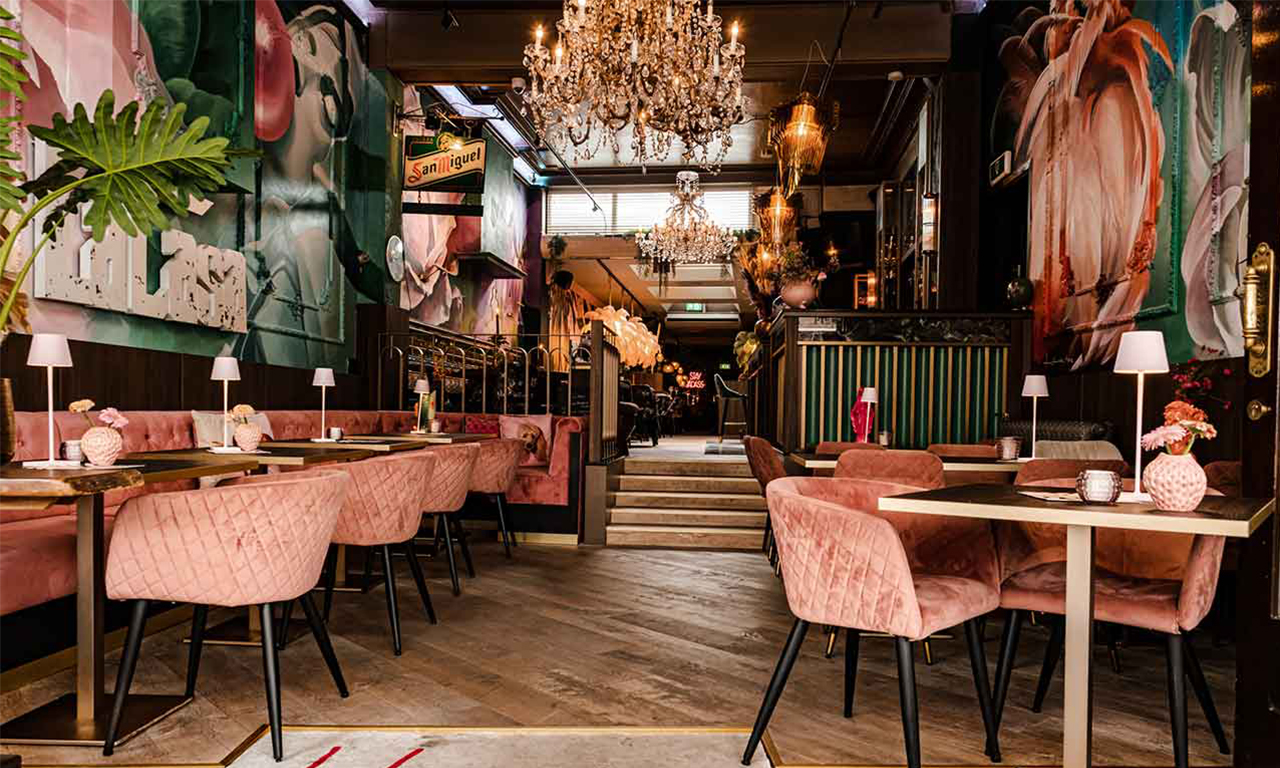
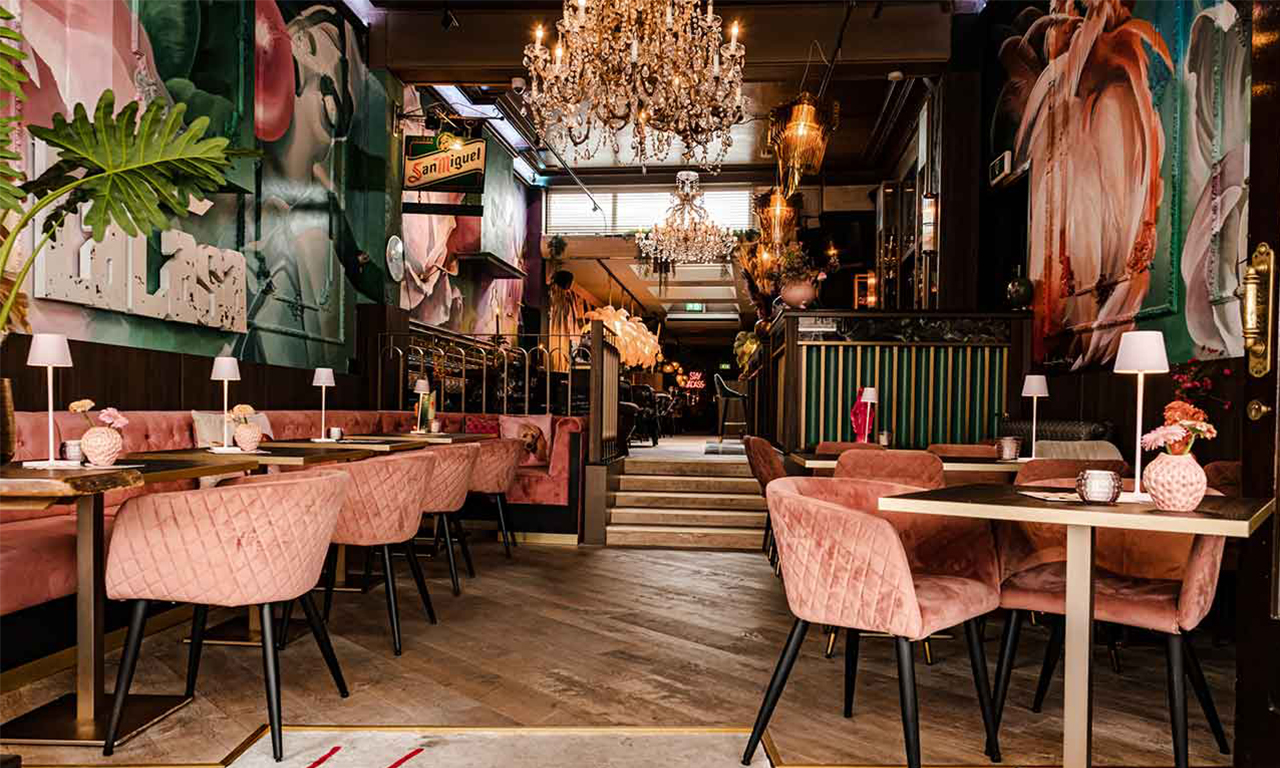
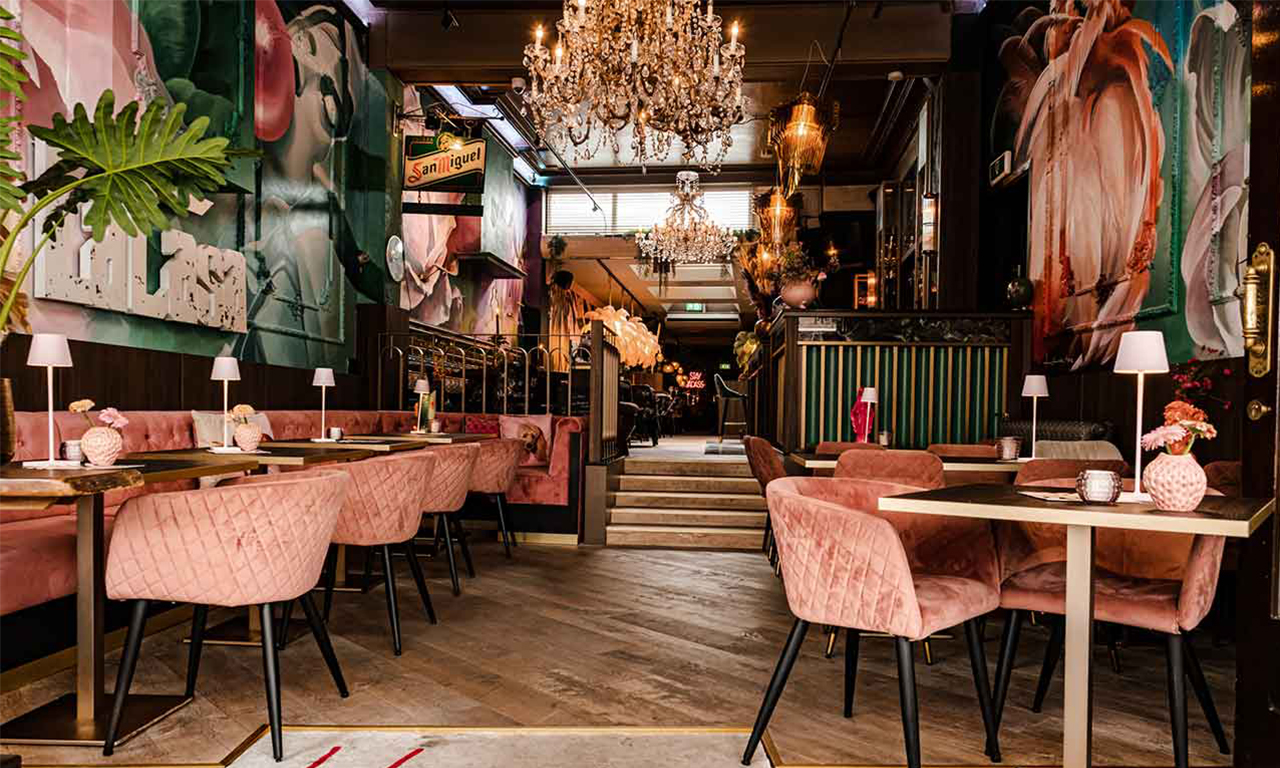
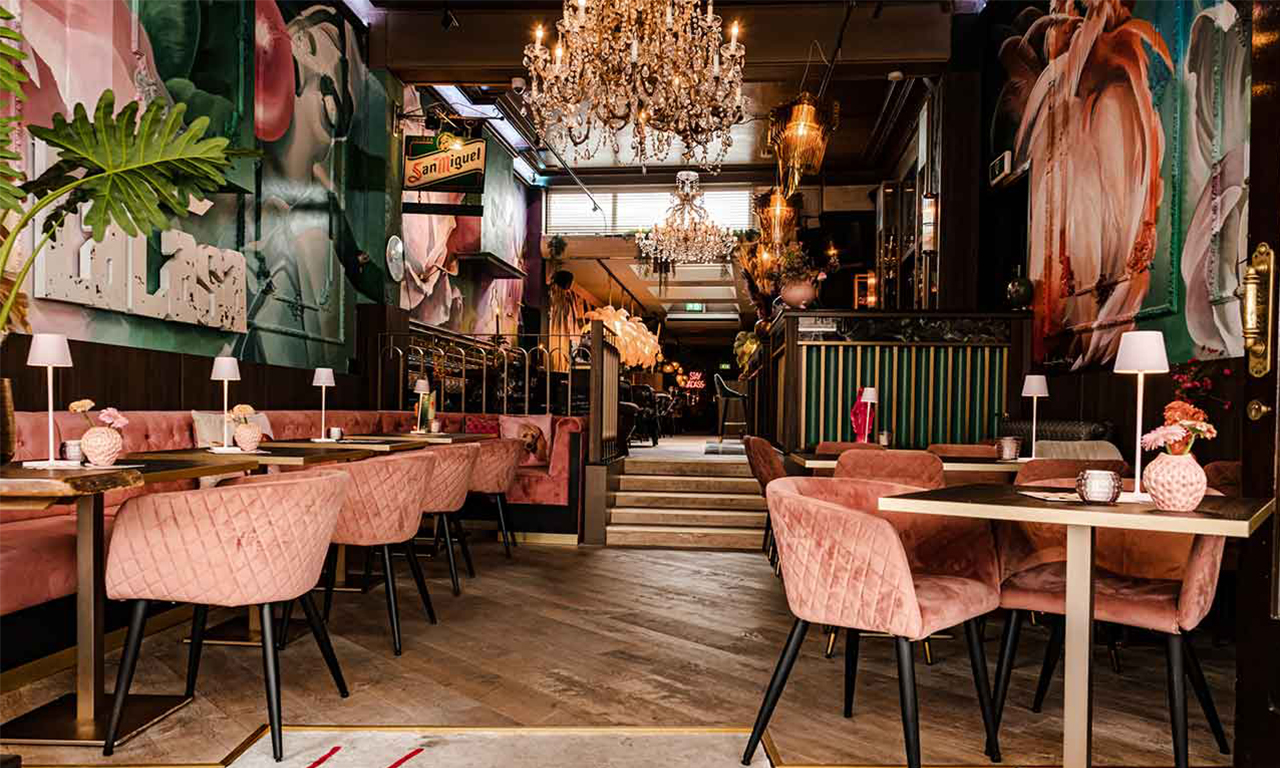
Hotels, restaurants, cafés and bars are the most common users of contract furniture, but the specific brief shifts noticeably between them.
Hotels and resorts: guest rooms and suites need beds, nightstands, desks, chairs and storage, while reception areas, lounges, restaurants and conference spaces need a combination of sofas, armchairs and tables suited to different guest activities.
Restaurants: dining furniture has to provide comfort while handling frequent movement, cleaning and everyday wear, and depending on the concept, may extend to booths, banquettes, bar stools and outdoor pieces, all while space efficiency keeps a real influence on how many covers the room can seat.
Cafés and bars: seating often needs to work for a customer staying five minutes and one staying two hours, so materials and finishes need to hold up to frequent cleaning without compromising the atmosphere.
Other hospitality spaces: spas, serviced apartments, event venues, clubs and cruise ships all use contract furniture as well, each with its own specific requirements, which is why furniture selection should always account for the actual application rather than treating hospitality furniture as one uniform category.

Why Durability Matters So Much in Contract Settings
In a hospitality environment, a chair may be moved hundreds of times, a table may be cleaned repeatedly throughout the day, and upholstered pieces are exposed to significantly more wear than they would ever see in a private home. Durability depends on construction, materials, finishes and hardware working together, and choosing durable contract furniture pays off financially by reducing the frequency of repairs and replacements down the line.
Sourcing Furniture for a Commercial Project?
Let's determine the right category for your needs.
Customization Within Contract Furniture Lines
Not every hospitality project can be furnished with fully standard products. Contract furniture can often be customized on dimensions, materials, finishes, colors and upholstery to fit unusual room dimensions or a specific interior concept, and this rarely means designing a piece from the ground up. In most cases, an existing model gets adapted, which keeps lead times and cost closer to a standard contract order than to a fully bespoke one.
Why the Term Matters When Talking to Suppliers
Using the term contract furniture accurately when communicating with suppliers signals that a buyer understands commercial procurement, which tends to result in more accurate quotes and fewer misunderstandings later in the process.
A supplier who hears imprecise language often defaults to quoting their standard consumer-facing line, which can create a mismatch discovered only once a sample arrives and clearly does not meet commercial requirements, at which point the project timeline has already absorbed the delay.

Minimum Order Quantities and Pricing Structure
Contract furniture manufacturers often set minimum order quantities that differ significantly from consumer retail purchasing, since production runs are planned around commercial-scale orders. Understanding these minimums early avoids the frustration of falling for a piece that requires an order size far beyond what a smaller venue actually needs, though some suppliers offer smaller trial orders specifically to let buyers test a piece before committing to the full minimum.
Pricing usually scales with volume more aggressively than consumer retail pricing as well. A buyer ordering for a single small venue may see meaningfully higher per-unit pricing than one ordering the same piece across a fifty-property portfolio, which is worth understanding before negotiations begin, since combining orders across properties under the same ownership group can meaningfully improve unit economics.
Verifying a Supplier's Contract Manufacturing Credentials and Warranty
Not every furniture manufacturer that uses the word contract in their marketing actually operates dedicated contract-grade production lines with the testing infrastructure this implies. Asking directly about a supplier's contract manufacturing history, the venues previously supplied, and requesting references from comparable commercial projects separates genuine contract manufacturers from consumer-focused companies simply adopting the terminology. Requesting a physical sample before a full order remains the most reliable way to confirm the claim matches what actually gets delivered at scale.
Warranty terms are worth the same scrutiny. Contract furniture warranties typically cover a more narrowly defined period than consumer warranties, but should come with detailed documentation about exactly what is covered, the expected daily hours of use, traffic volume, and cleaning protocols. Reading these terms before an order is placed, rather than assuming they mirror a consumer warranty, avoids an unpleasant surprise if a claim ever needs to be filed.

Checklist: What to Confirm Before Selecting Contract Furniture
- Confirmed the piece is genuinely contract-grade, not relabeled residential furniture
- Matched the piece's specification to its actual intended use and level of traffic
- Verified relevant durability, fire safety and structural certifications for the market
- Identified whether the project's needs suit contract or bespoke sourcing
- Confirmed minimum order quantities and how volume affects pricing
- Requested references and manufacturing history to verify a supplier's credentials
- Reviewed warranty terms specific to contract furniture before placing an order
- Considered consolidating purchases across multiple venue types under one brand
Understanding what contract furniture actually means, and how the brief changes by venue and application, helps buyers communicate more precisely with suppliers and specify more accurately, avoiding the costly back-and-forth that comes from misaligned assumptions early in a project. If you are sourcing furniture for a commercial project, we can help you determine the right category for your needs, whether that is contract, bespoke, or a combination of both across different spaces in the same venue.
If you found this useful, you may also enjoy our article on What Is Hospitality Furniture? A Practical Definition for Buyers.
OUR SERVICES
MORE FROM OUR BLOG
About P&M Furniture
P&M Furniture designs and delivers commercial-grade furniture for hotels, restaurants, cafes and bars across Europe, combining durability with design that supports how each venue actually works.
Sourcing Furniture for a Commercial Project?
Let's determine the right category for your needs.
Request a Quote