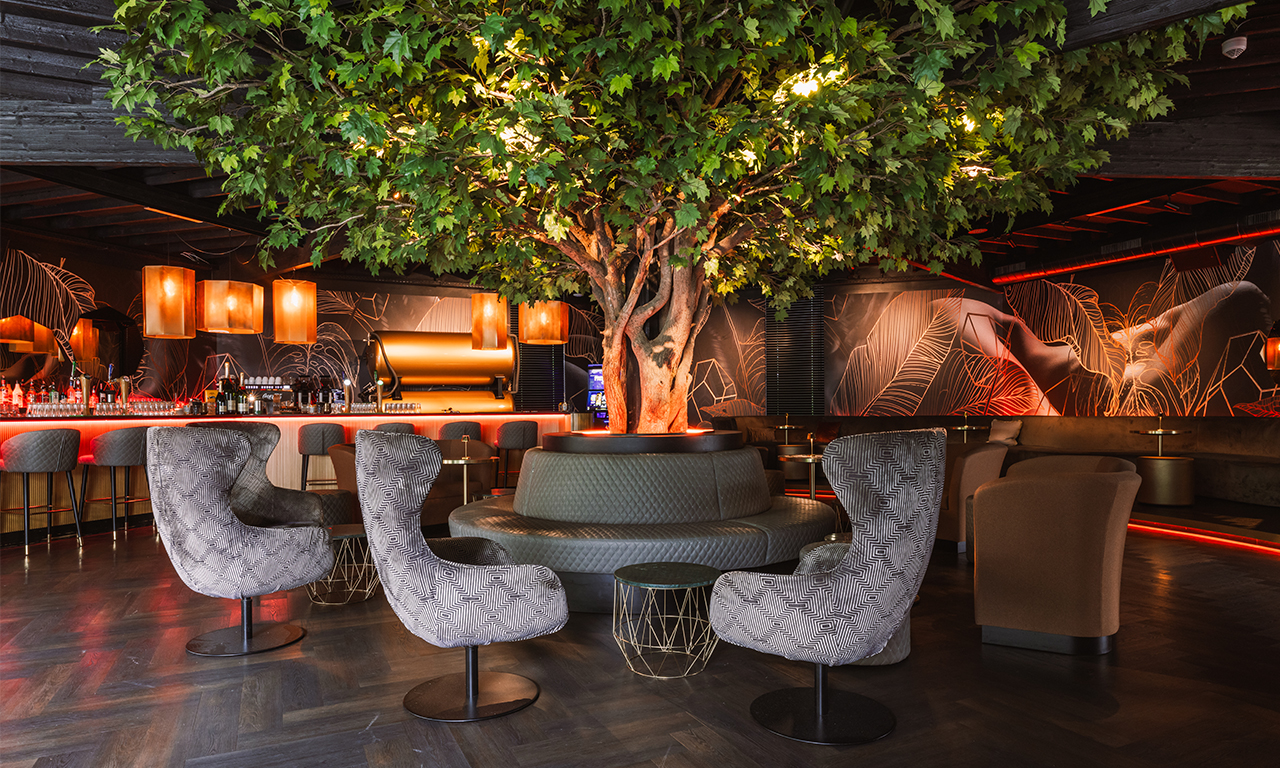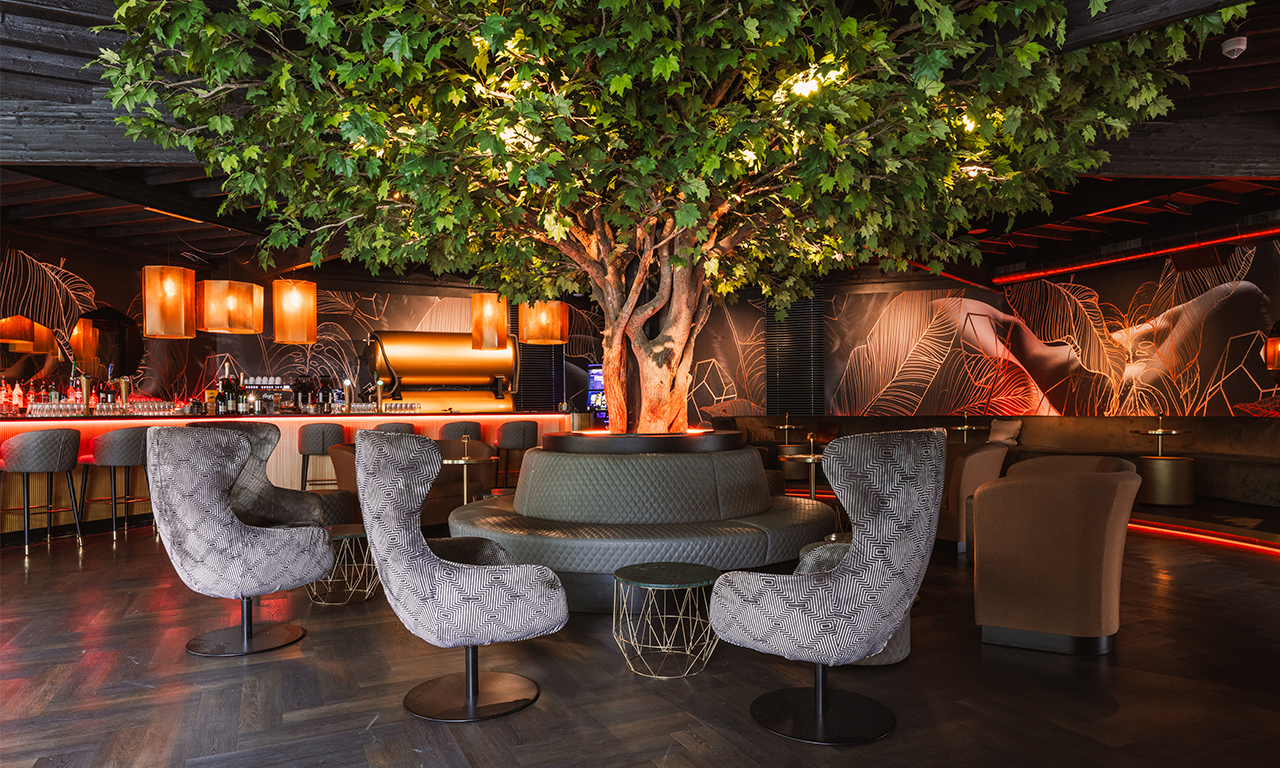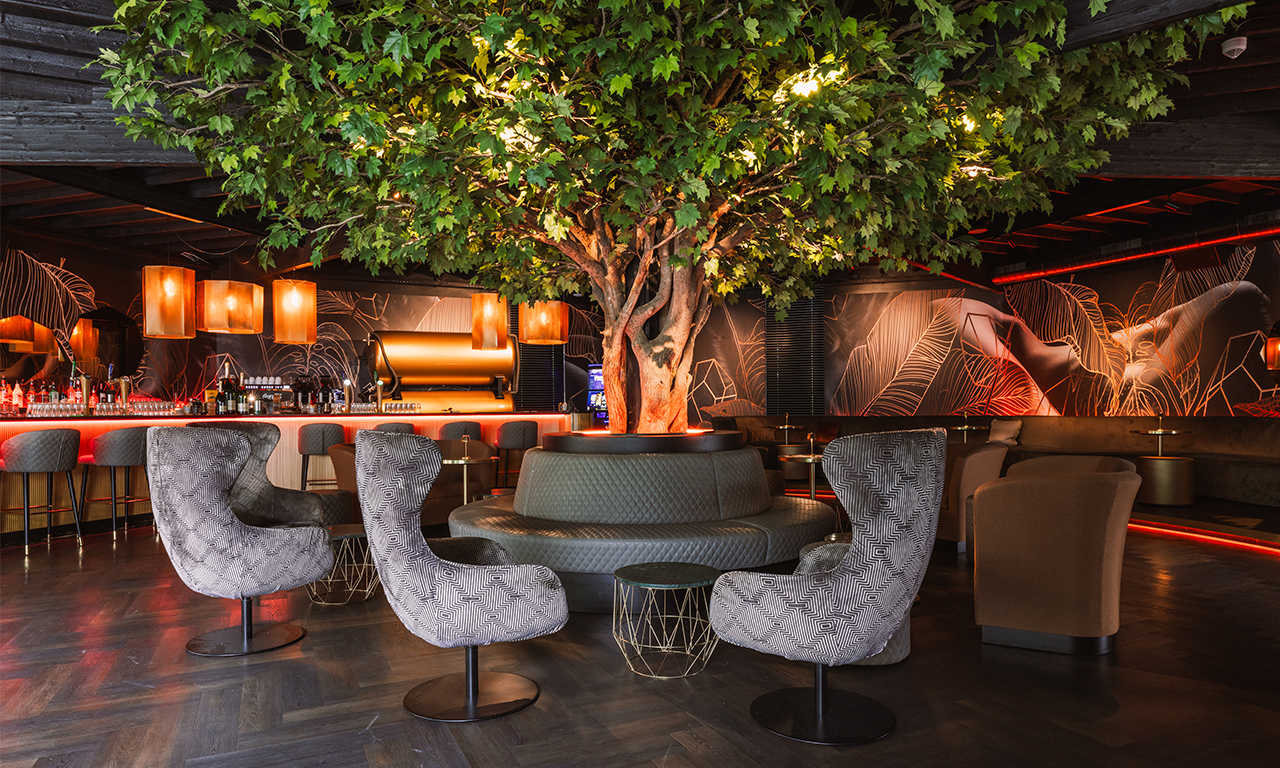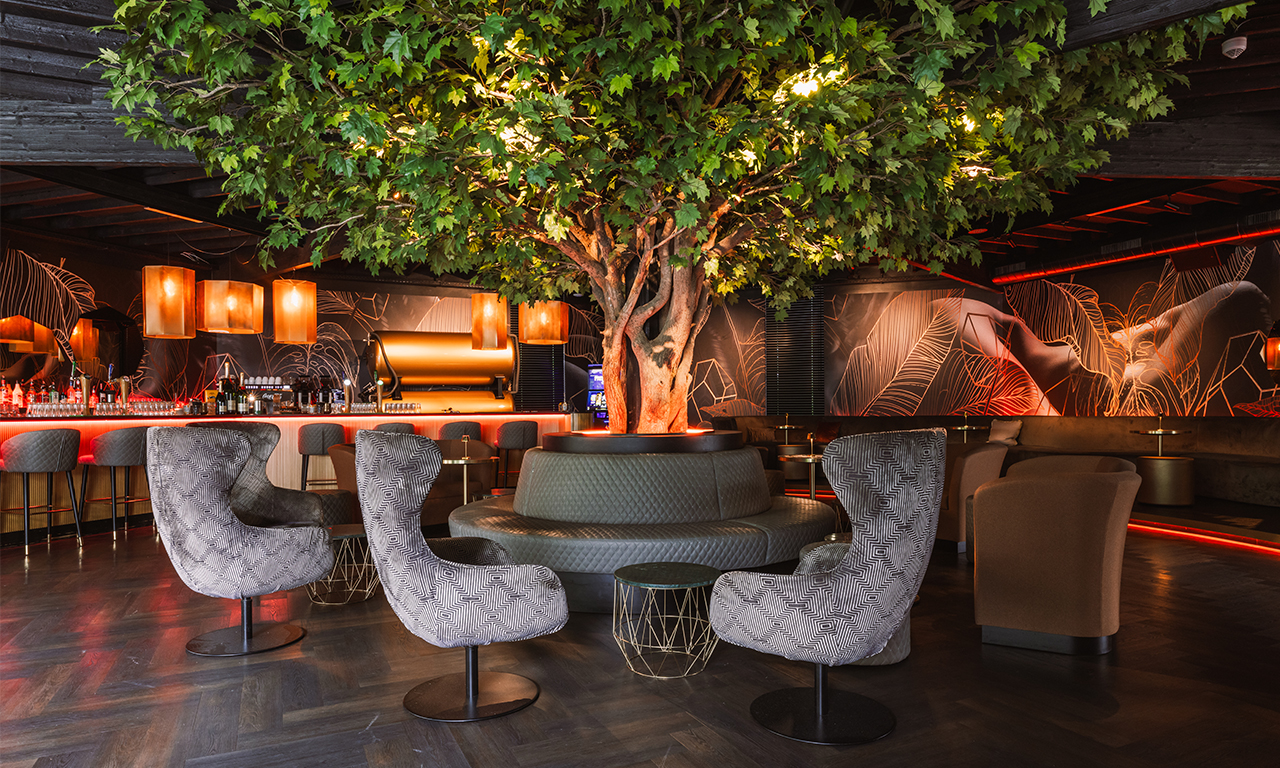
The term hospitality furniture gets used broadly, but it describes something specific, furniture engineered for commercial venues rather than private homes. For a procurement team, understanding what genuinely separates the two categories, and how the requirements shift from one zone of a property to the next, is the difference between a purchase that performs for years and one that needs replacing within months. The confusion is understandable, since many hospitality pieces borrow silhouettes and finishes directly from residential design trends, sometimes making the two categories nearly impossible to distinguish by sight alone. The real differences live underneath the surface, in the frame construction, the foam density, the fabric testing, the certifications a piece carries, and how reliably it can be reproduced across dozens or hundreds of rooms, none of which show up in a product photo.

What Makes Furniture Genuinely Commercial-Grade
Hospitality furniture is built to withstand daily use by dozens or hundreds of different people, rather than the occasional use a residential piece experiences, commercial-grade construction means reinforced joints, denser foams and fabrics tested for heavy-duty wear.
A few structural markers that typically separate commercial-grade furniture from residential pieces:
- Reinforced corner blocks and mortise-and-tenon joints rather than staples or glue alone
- Foam density rated for continuous seating rather than occasional home use
- Fabric abrasion ratings tested to tens of thousands of double rubs
- Frame weight capacity rated for repeated, varied guest use
Hospitality Furniture vs Residential Furniture: The Full Comparison
Durability is only one part of the comparison. A procurement team weighing hospitality furniture against a residential alternative is really evaluating six factors at once, not just how solidly a piece is built.
- Durability: materials, frames, hardware and finishes rated for repeated commercial use, not occasional home use
- Maintenance: how practical the piece is to clean and repair without pulling it out of service for weeks
- Safety: fire safety, structural and stability requirements that vary by market and venue type
- Comfort: still essential, particularly for beds, seating and anything guests use for extended periods
- Consistency: the ability to reproduce the same piece, in the same finish, across dozens or hundreds of rooms
- Aesthetics: alignment with the property's interior concept and brand identity
Weighed together, these six factors are why the lowest purchase price rarely represents the best value once total cost of ownership, replacement and installation are actually accounted for.

Compliance Requirements Residential Furniture Rarely Meets
Fire safety certification, weight ratings and stability standards apply to commercial venues in ways residential furniture is simply not built to satisfy. Using uncertified furniture in a commercial space creates real regulatory and liability risk, one that only becomes visible during an inspection, an insurance claim, or worse, an actual incident.
Many of these standards vary by country and even by venue type within the same country, which makes verifying compliance for the specific market and use case essential rather than optional.
Where Hospitality Furniture Is Actually Used
Hospitality furniture spans far more of a property than guest rooms alone, and the brief changes meaningfully from one zone to the next.
Hotels and resorts: guest rooms typically need beds, nightstands, desks, chairs, wardrobes, luggage benches and storage, while lobbies, lounges, restaurants and conference spaces call for sofas, armchairs and tables suited to a completely different kind of guest activity.
Restaurants and cafés: tables and chairs are occupied and cleared constantly, so space efficiency becomes a real constraint, since furniture footprint directly affects how many covers a room can seat. Booths, banquettes, bar stools and outdoor seating often round out the brief.
Catering and event spaces: the requirements shift again toward stackable chairs, foldable tables and modular furniture that can be reconfigured quickly between events, a very different brief from furniture that stays in one place for years.
Treating all of this as a single category, rather than recognizing how the brief changes zone by zone, is one of the more common ways procurement teams end up with furniture that is technically hospitality-grade but still wrong for the space it was bought for.

Categories Within Hospitality Furniture Buyers Should Know
Contract furniture, bespoke furniture and standard hospitality lines each serve different procurement situations, understanding these distinctions helps buyers ask suppliers the right questions from the start rather than discovering the mismatch after an order has already shipped.
Contract furniture typically comes from an established manufactured line built to commercial specifications, bespoke furniture is designed and built from scratch for one specific project, and standard hospitality lines sit somewhere in between, offering commercial-grade construction with some room for finish selection. Our dedicated guide on What Is Contract Furniture covers this distinction in more depth.
Customization: When Standard Furniture Needs to Be Adapted
Not every hospitality project can be furnished entirely with standard products. Customization can address unusual room dimensions, a specific interior concept, or the need to keep finishes consistent across a larger project, and it does not necessarily mean designing every piece from scratch.
In many cases, an existing model can be adapted through different dimensions, materials, finishes or upholstery, which is usually faster and less expensive than commissioning something entirely new, and still gives a property the coherence a fully off-the-shelf collection sometimes lacks.
Sourcing Commercial Furniture for the First Time?
Let's help you navigate the distinctions that matter.
Why the Price Difference Reflects Real Engineering
Hospitality furniture often costs more than a similar-looking residential piece, a difference that reflects genuine engineering for durability and compliance rather than simple markup. The materials inside a commercial chair, the reinforced frame, the higher-density foam, the tested fabric, all cost more to produce than their residential equivalents.
Buyers who compare hospitality furniture purely on sticker price against residential alternatives are often comparing two fundamentally different products that happen to look similar in a catalogue photo, and the lowest bid rarely stays the lowest cost once replacement and downtime are added back in.

Spotting Furniture Mislabeled as Commercial-Grade
Some furniture marketed toward small businesses uses commercial-sounding language without meeting genuine testing standards. Asking suppliers for specific certification documentation, rather than accepting marketing terms at face value, protects against this. A supplier who cannot produce an actual test report or certification number when asked, and instead offers only general assurances, is usually a sign that the furniture has not been through the testing it claims to meet.
Key Considerations for Procurement Teams
Selecting hospitality furniture requires coordinating budget, design, operations and long-term performance. Before placing an order, it is worth confirming:
- Project requirements: what spaces need furnishing, and how will each item actually be used
- Quantity and consistency: how many rooms, covers or areas need the same piece reproduced reliably
- Durability: can the construction handle the expected level of daily use for that specific zone
- Maintenance: how easy are the materials and finishes to clean and keep in service
- Lead times: can production and delivery align with the construction and opening schedule
- Customization: are specific dimensions, finishes or configurations required
- Installation: does the project need assembly or on-site coordination
- Long-term value: will the piece still perform and look right in three to five years, not just on delivery day
Understanding what genuinely makes furniture hospitality-grade, and where in a property it will actually sit, protects a project from costly compliance, durability and consistency problems later, problems that are far more expensive to fix after installation than to prevent through careful specification upfront. If you are sourcing furniture for a commercial venue for the first time, we can help you navigate these distinctions and specify pieces that genuinely meet the standard your venue requires, rather than discovering a costly gap after installation.
If you found this useful, you may also enjoy our article on What Is Contract Furniture? Understanding the Term Buyers Hear Often.
OUR SERVICES
MORE FROM OUR BLOG
About P&M Furniture
P&M Furniture designs and delivers commercial-grade furniture for hotels, restaurants, cafes and bars across Europe, combining durability with design that supports how each venue actually works.
Sourcing Commercial Furniture for the First Time?
Let's help you navigate the distinctions that matter.
Request a Quote